
One of Webster's definitions of "juice" is "the
inherent quality of a thing : ESSENCE b : STRENGTH, VIGOR, VITALITY." If
a city were to have a juice what would it be? New York's juice could
be finance with a squeeze of sass. Ann Arbor's juice a blend of academics,
progressiveness, and research. Traverse City's juice would be based
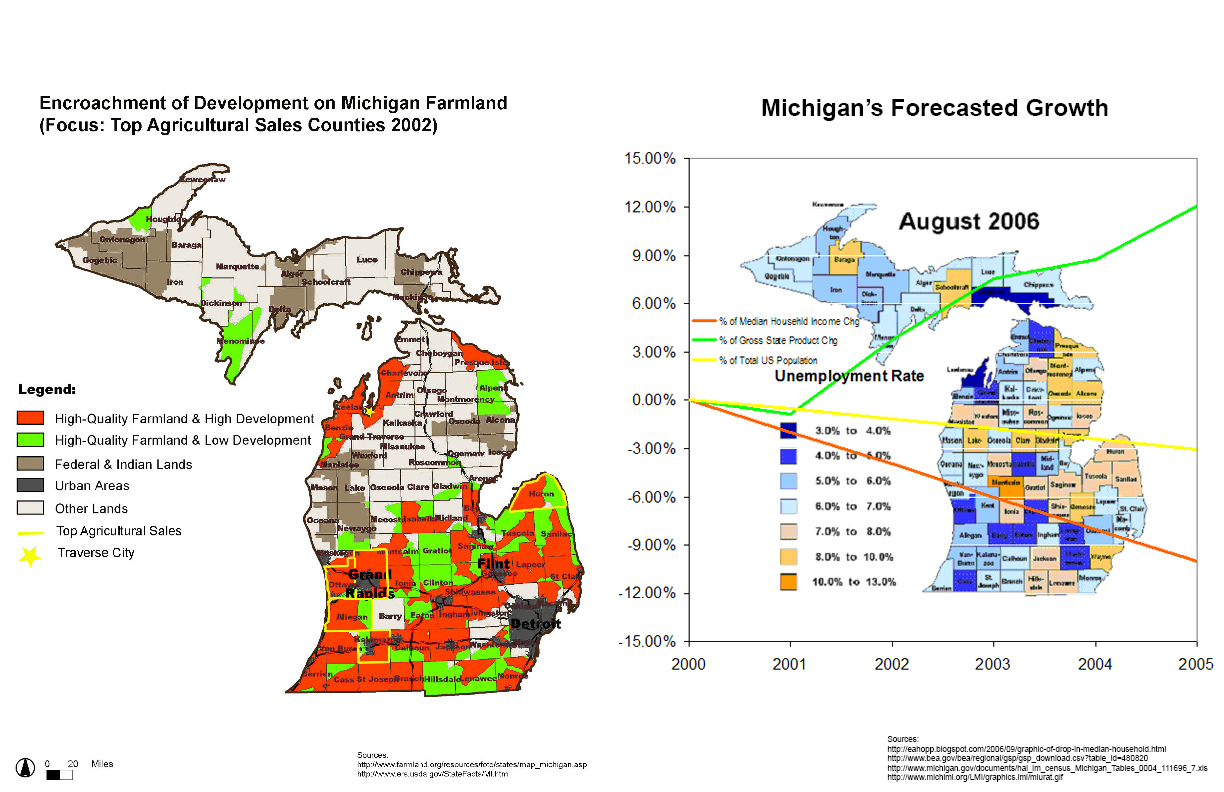
on its agriculture and. of course, all-natural, locally grown, and stirred
by community members and tourists together.If the local agriculture is
Traverse City's "juice", then it logically
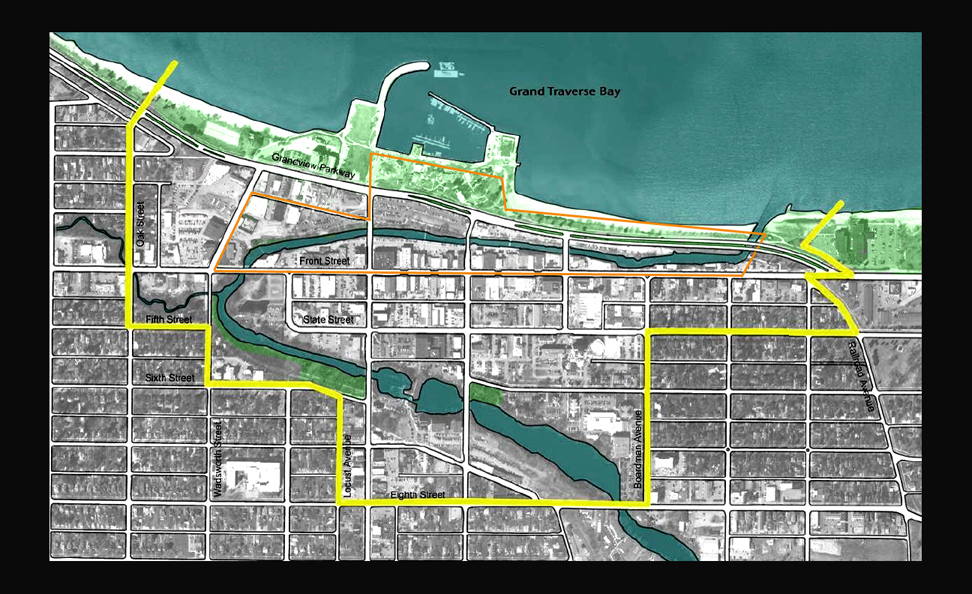
follows that the heart of Traverse City lies in its Farmers Market. Knowing
the city's reticence to change (a large developer once said of building
there: "I
know not to compete with the farmer's market), my approach to the studio
was to answer the following about the Farmer's Market: How to improve upon
it? How do we free the citizens from arbitrary Wall Street valuation
of their products? How to promote community interaction? How
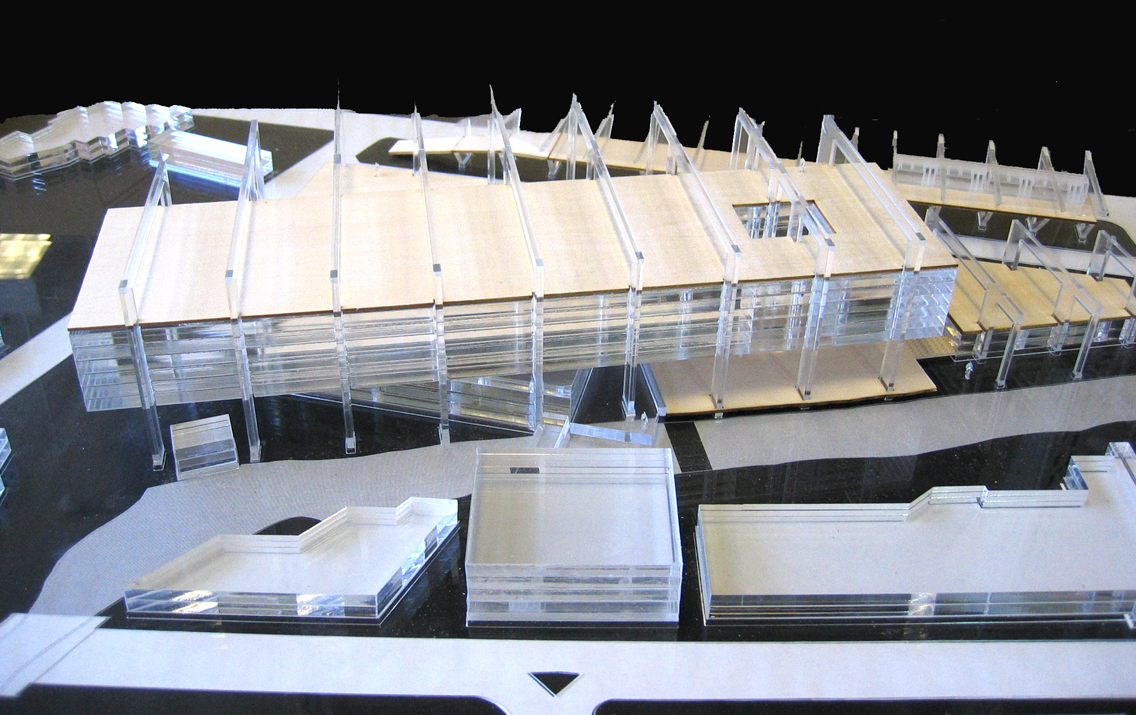
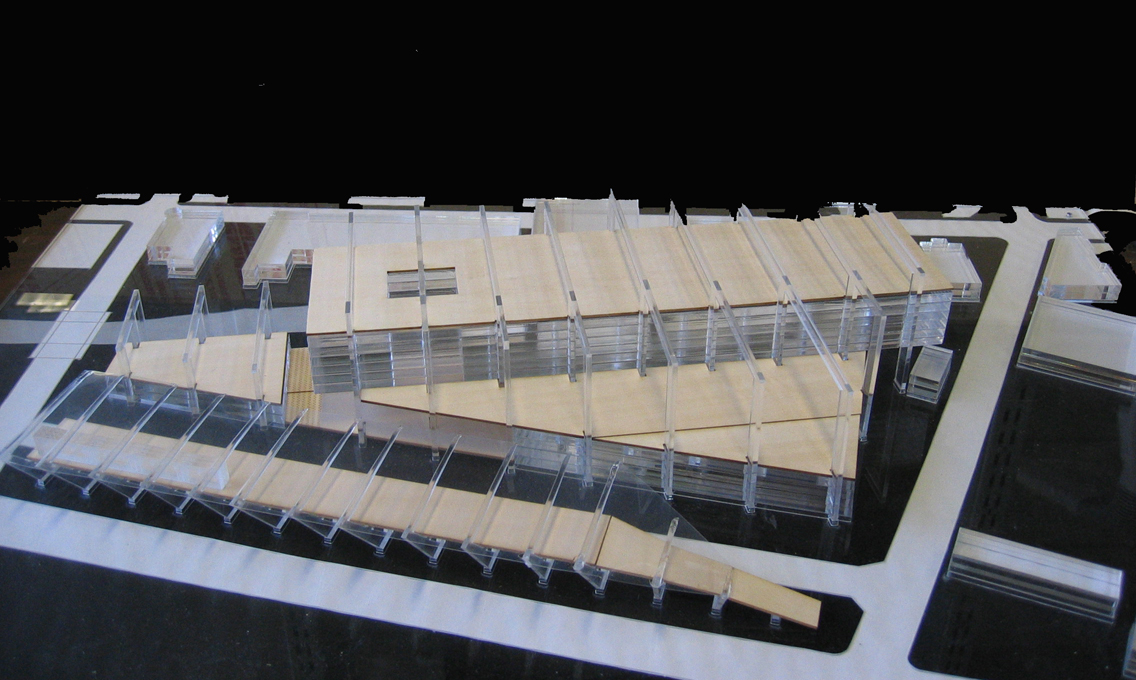
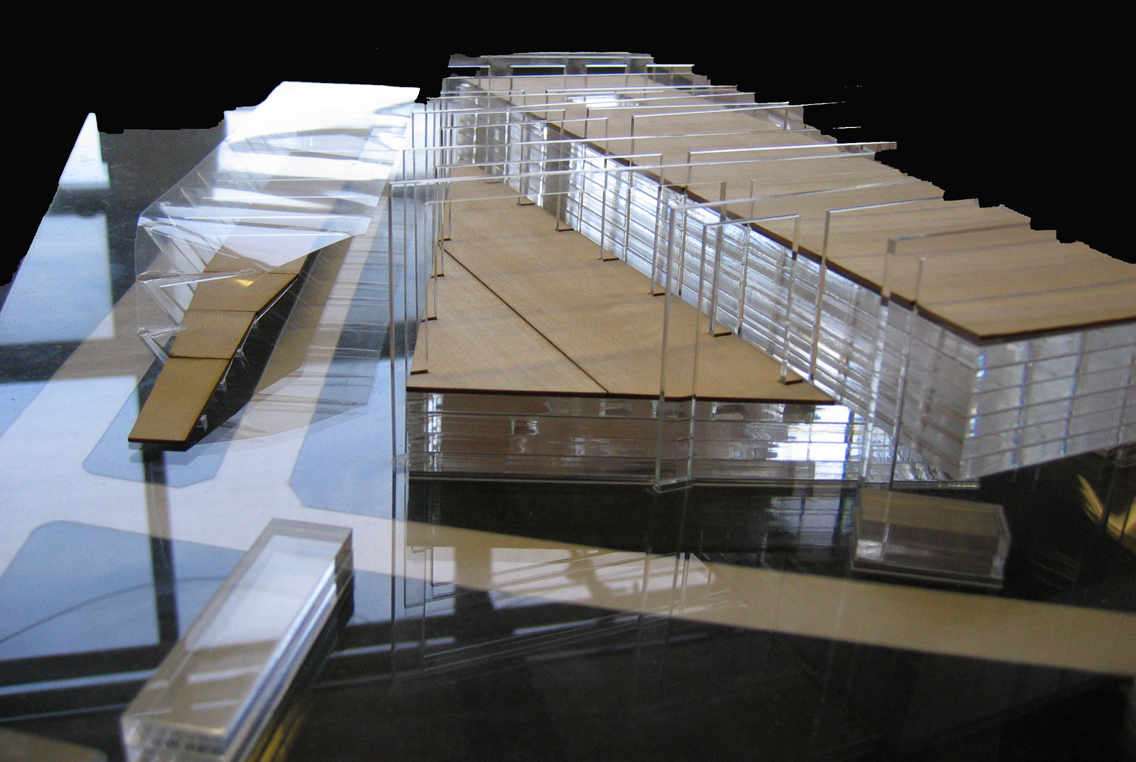
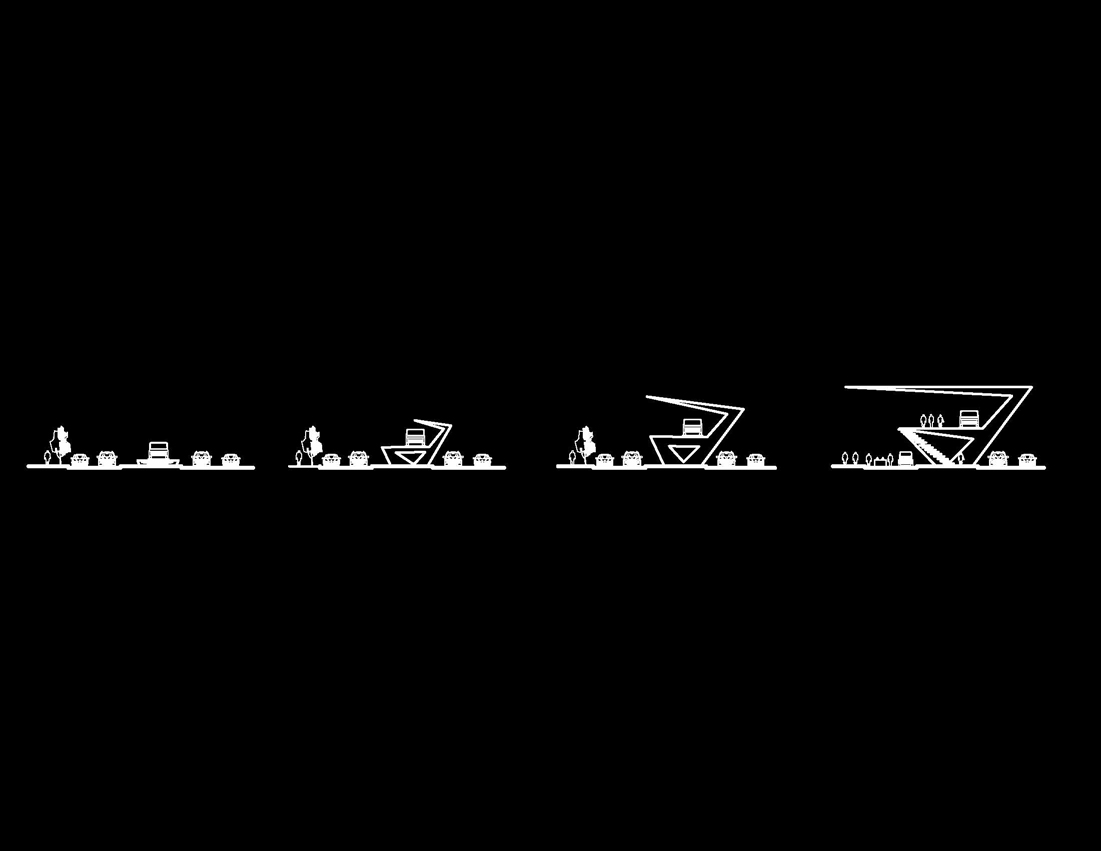
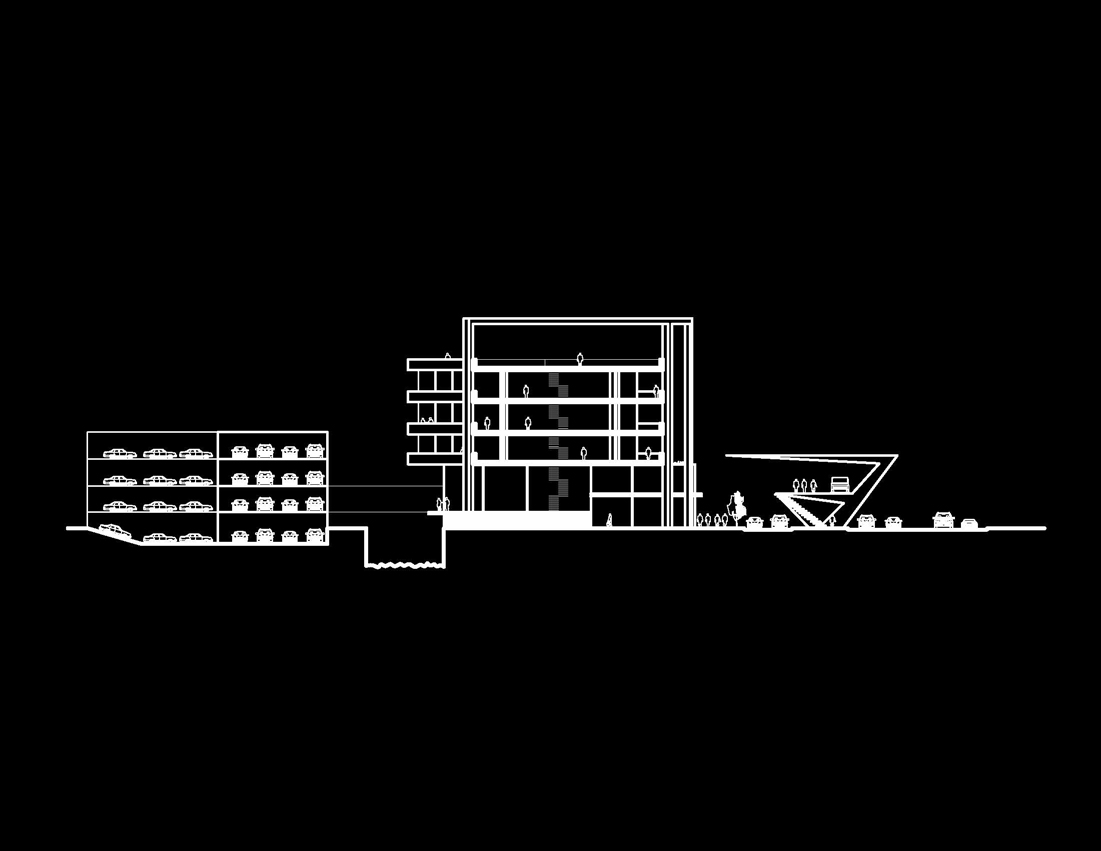
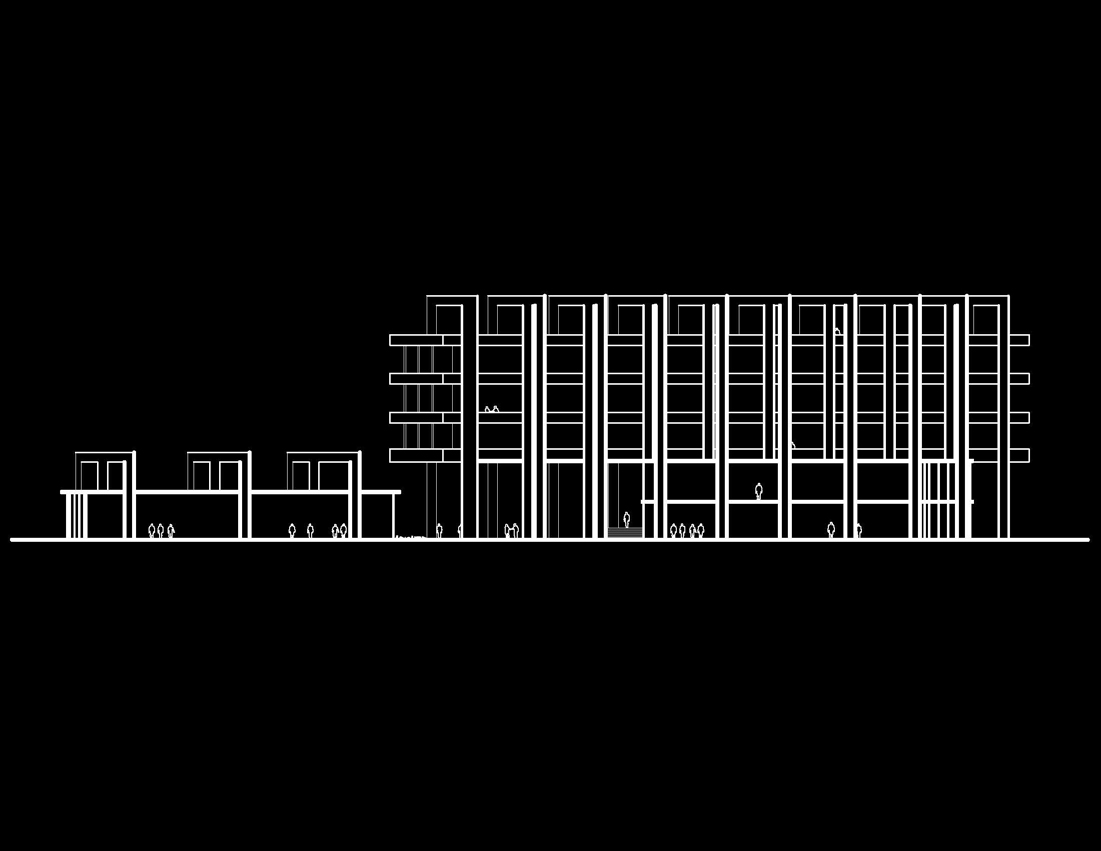
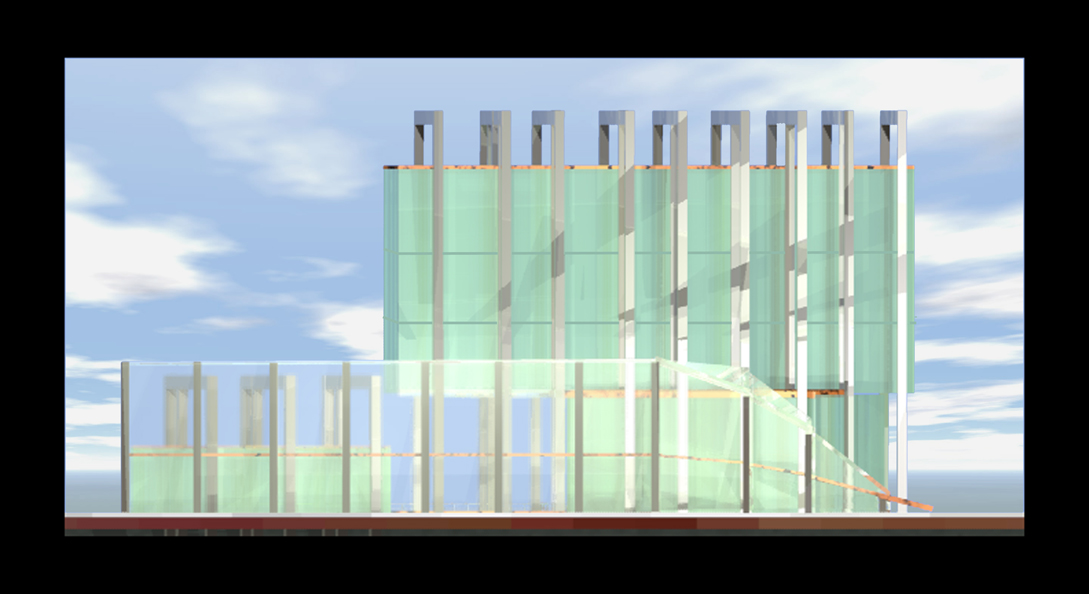
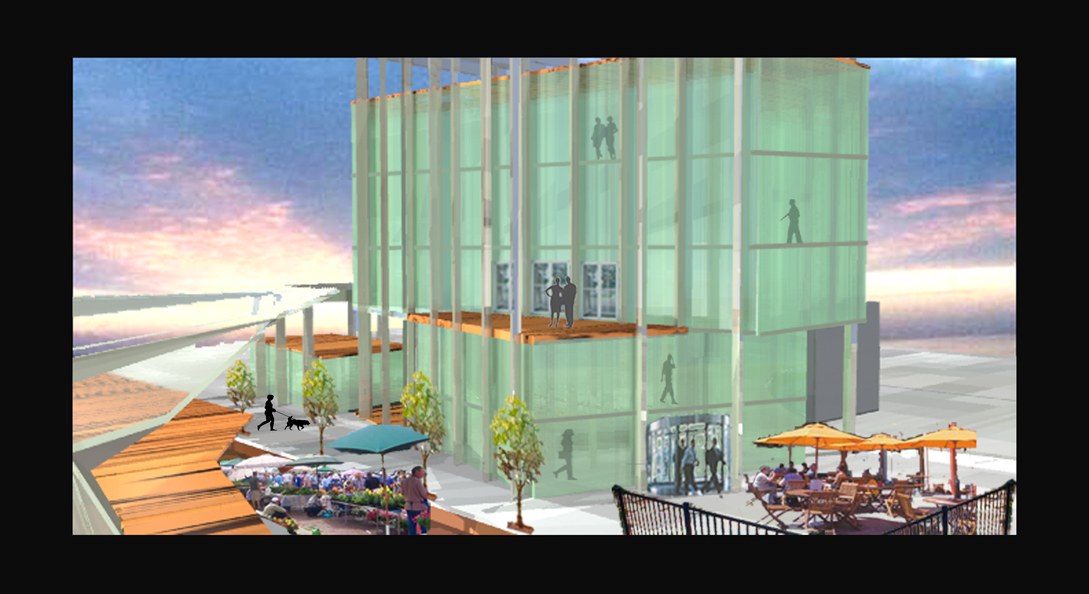
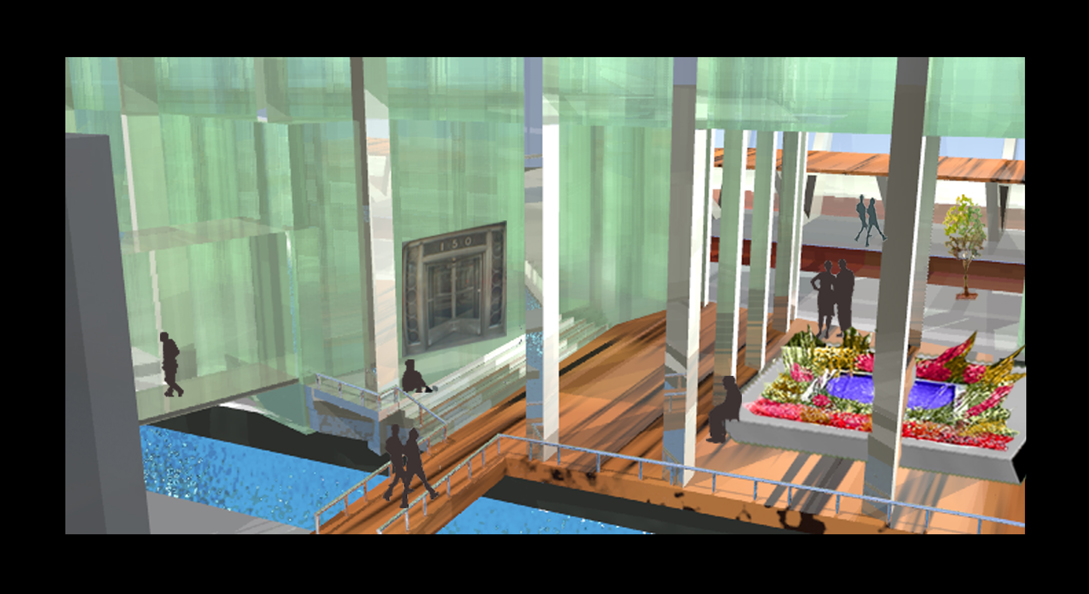
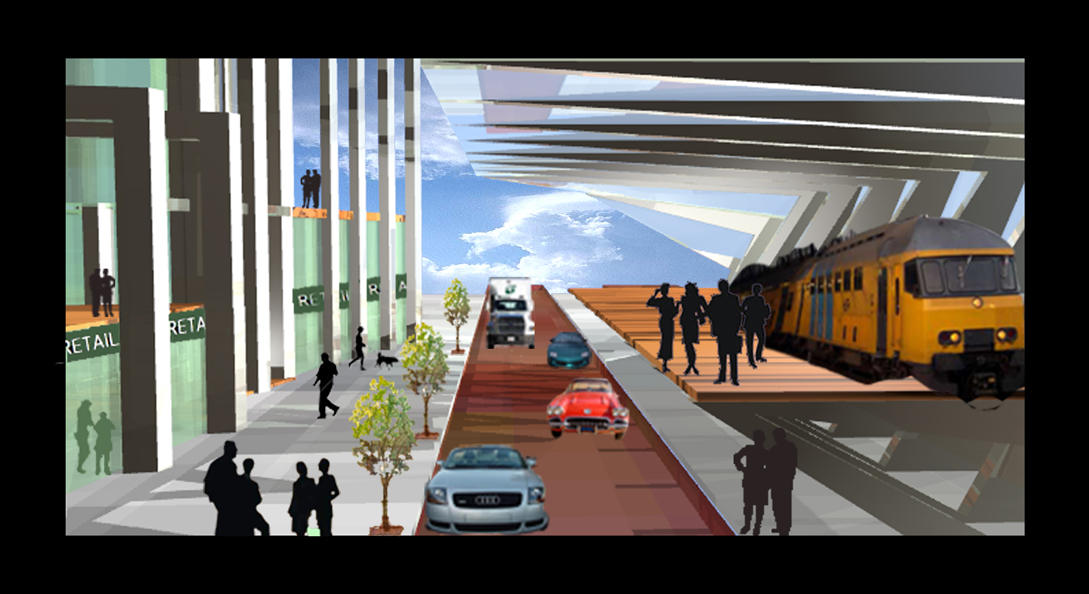
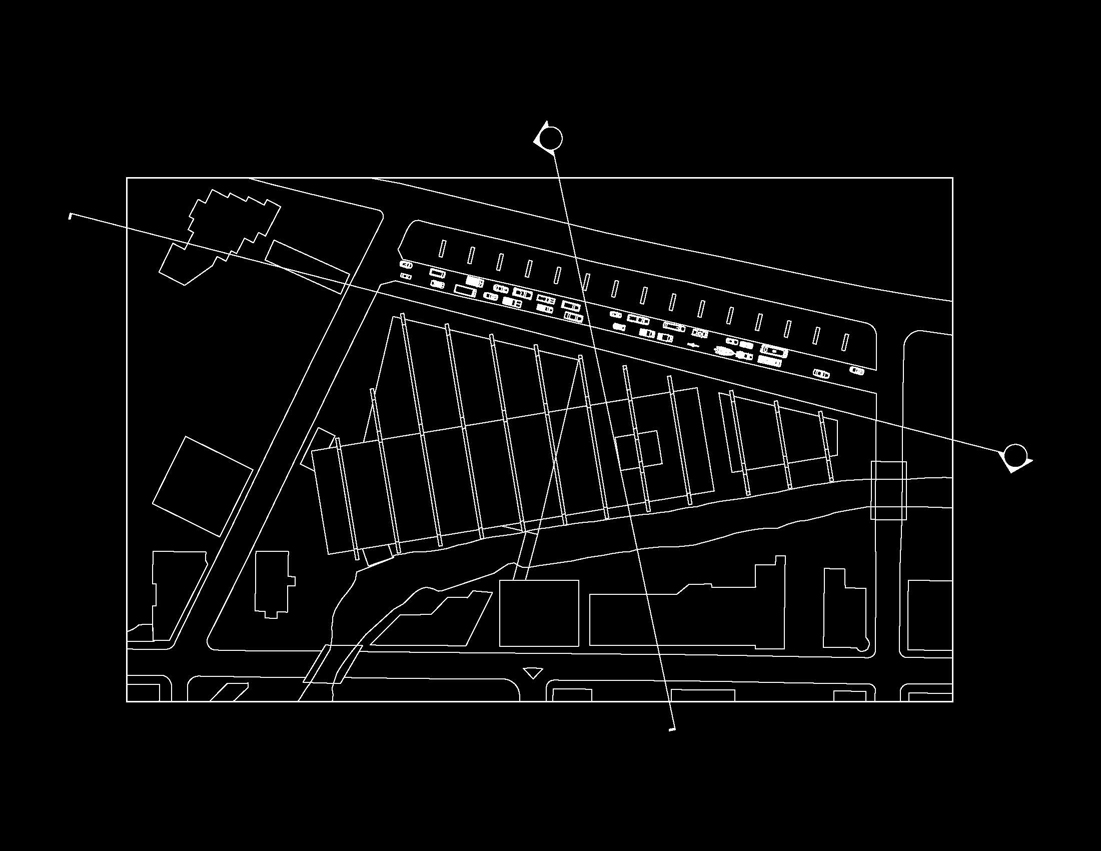
to promote tourism? My proposal is a new market hall, differentiated
from the old market not only by size, but particularly by style. Traverse
City is not one that is driven by capitalism. A
local city planner has said "I took a pay cut to come and live here." Most
of the farmers at the Farmer's Market are there as a secondary job, and
there to be part of the community as opposed to profiting from it. In
order to promote this atypical and wonderful de-emphasis on money and capitalism,
I promote removing it from the Farmer's Market. This could be achieved
by converting the Farmer's Market to a "trade and barter" system
where goods and services would be exchanged between farmers and community
members. The benefits to this would be numerous:-
- increased interaction
among the community
- more production of what people actually needed and wanted
- freedom from the lowered price points set by mass production farms
- unique quality to Traverse City to promote tourism
The proposed new Market Hall is designed to encourage this strategy; with ample room for trucks to arrive with their produce and an airy open courtyard perfect for open trade. A typical market day would start of with trading and bartering only for a set period of time. After that, the market would switch back over to the traditional monetary approach to accommodate those that did not have goods or services to barter or for those who needed to purchase a few extra items.
index | proofsheet | agenda | individuals | gallery
Samuel Oh