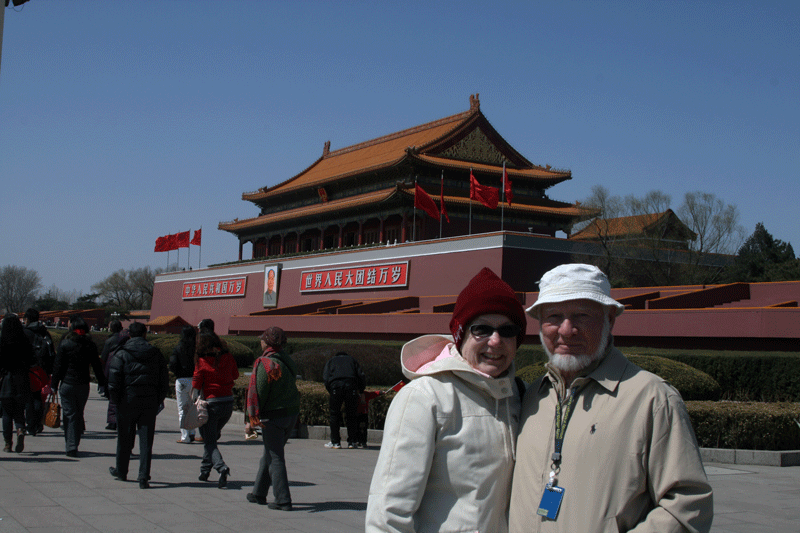
| Perhaps the most recognized places in China, outside of the
Great Wall. |
 |
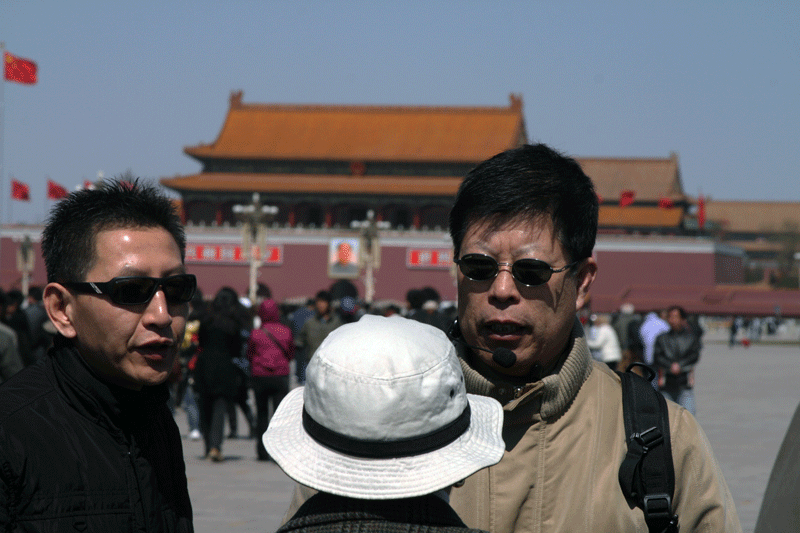
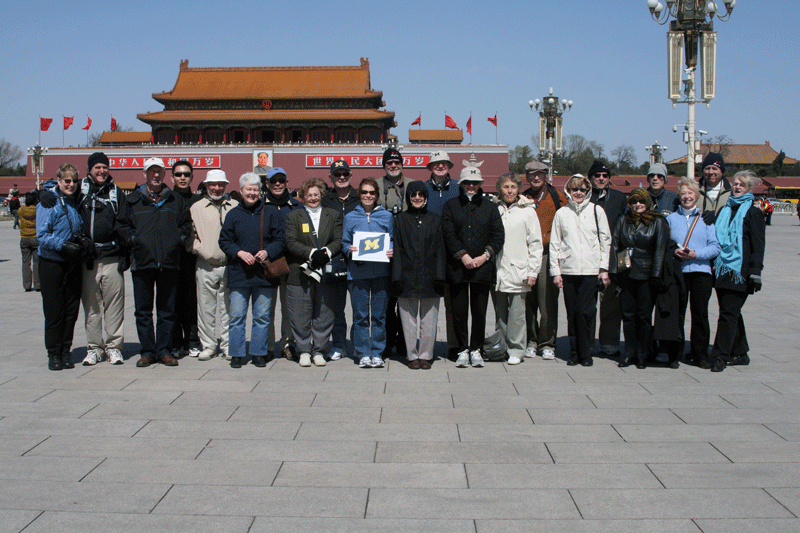
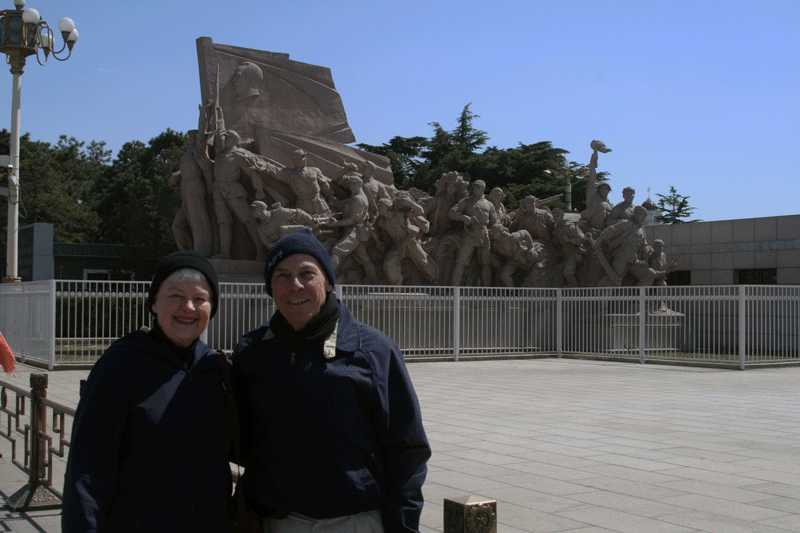
| Michael and Bill, leading the way. |
 |
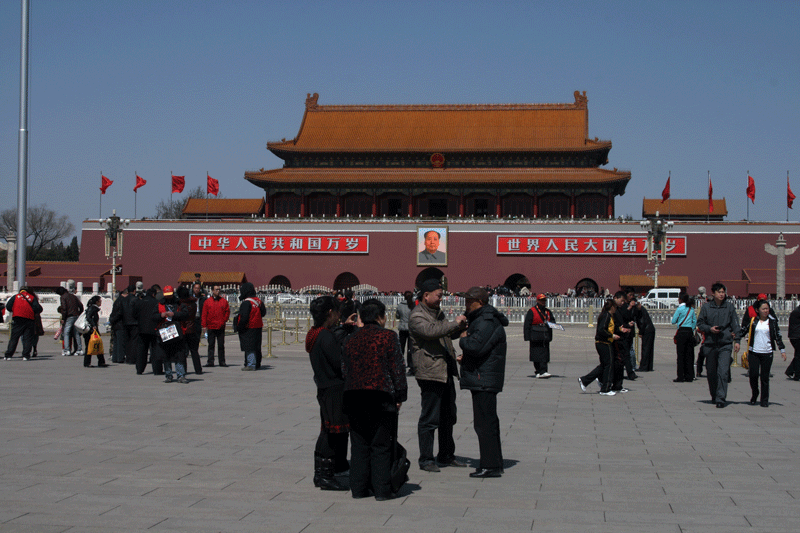
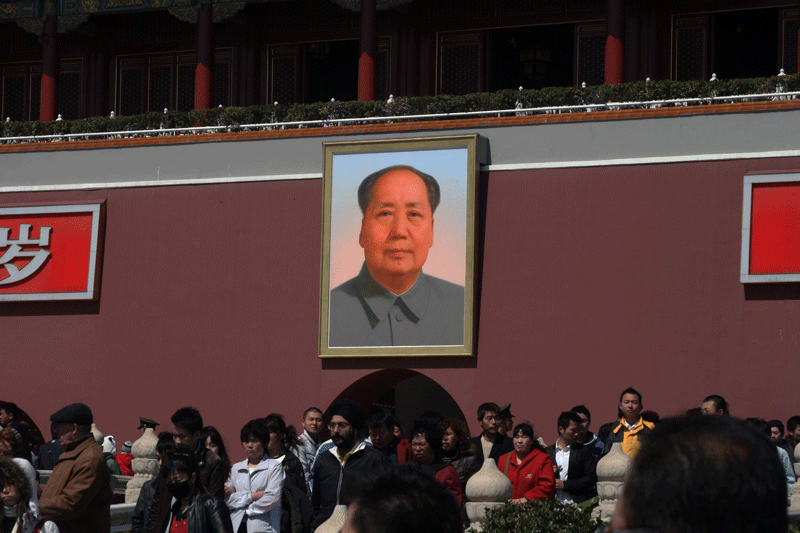
| The Great Contradiction: Mao. |
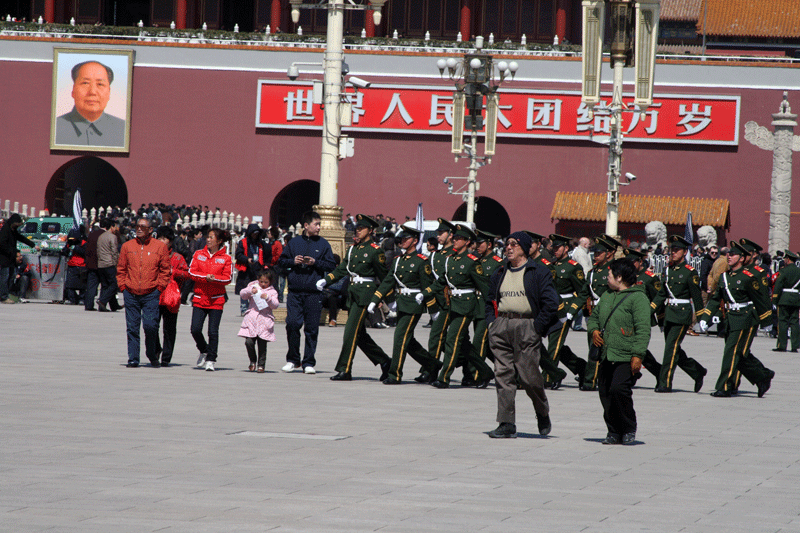 |
| Great because he helped lead China out of its post-Imperial chaos - civil
wars and fending off the Japanese... yet a person whose singular vision
of things drive China into the ground for 30 years. |
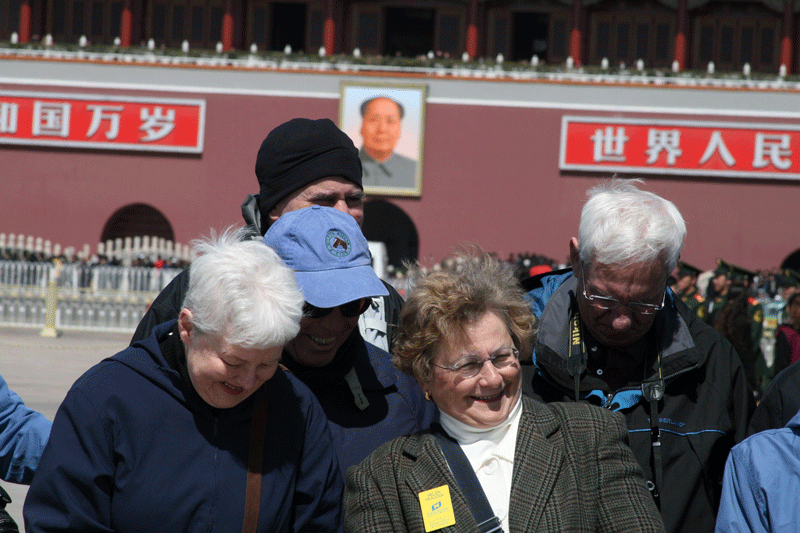 |
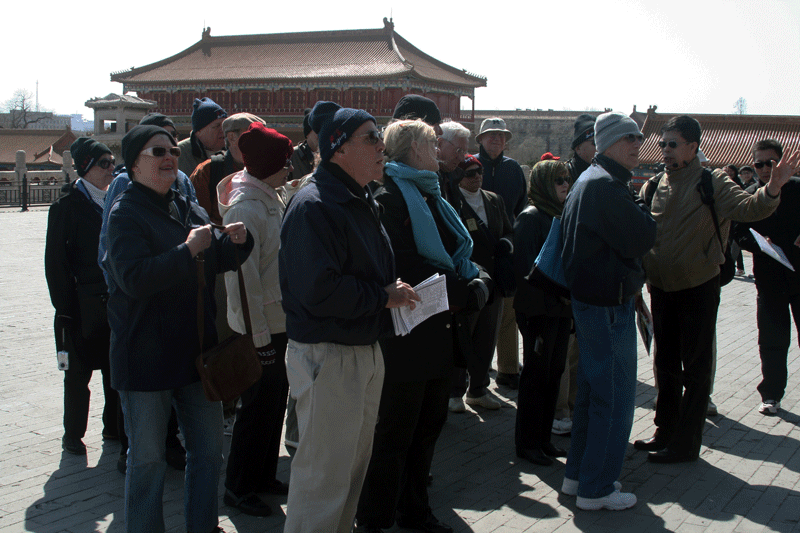
| Without a doubt: a group of Western tourists standing in Tiananmen was
literally unimaginable in 1978. |
 |
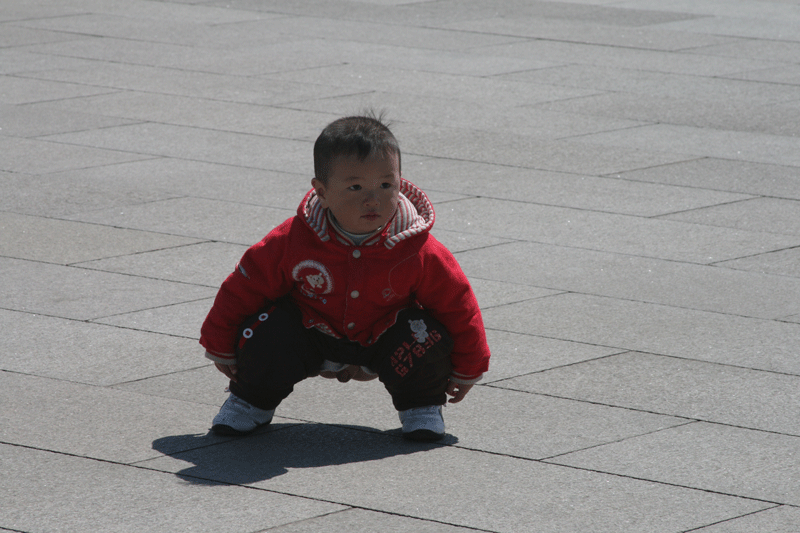
| I could comment here on the progressive toilet training techniques used
by the Chinese, but I will take a pass on that. |
 |
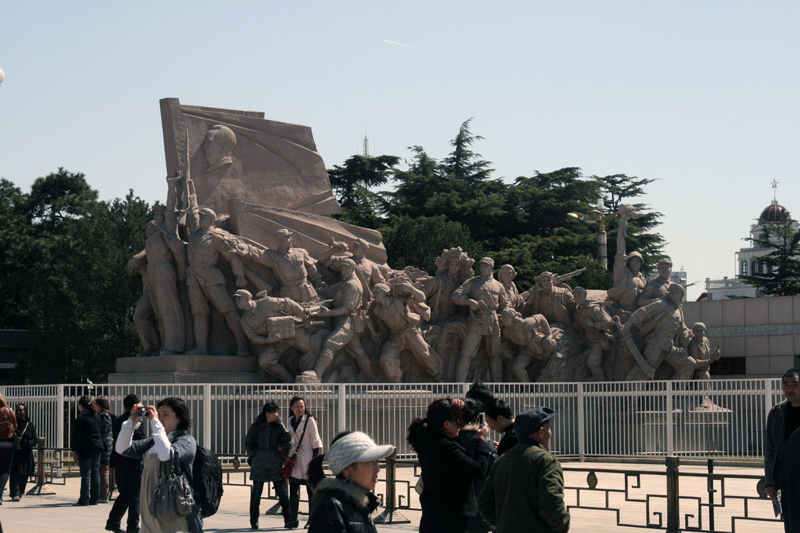
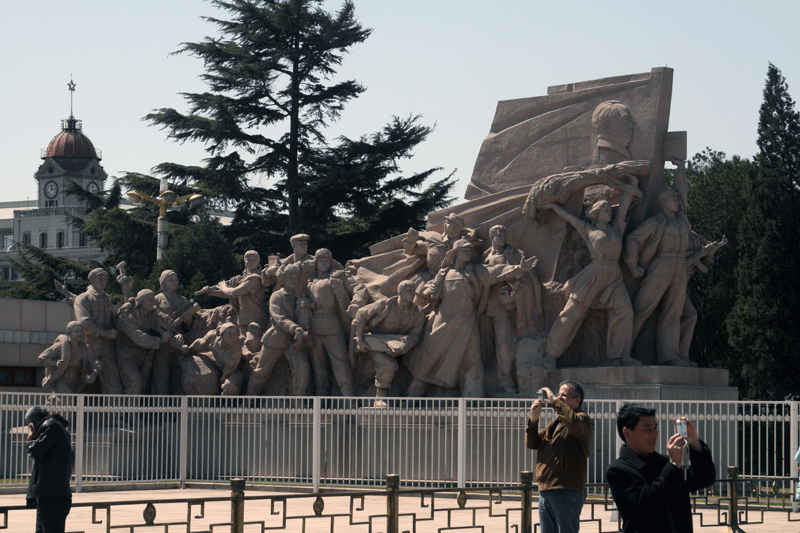
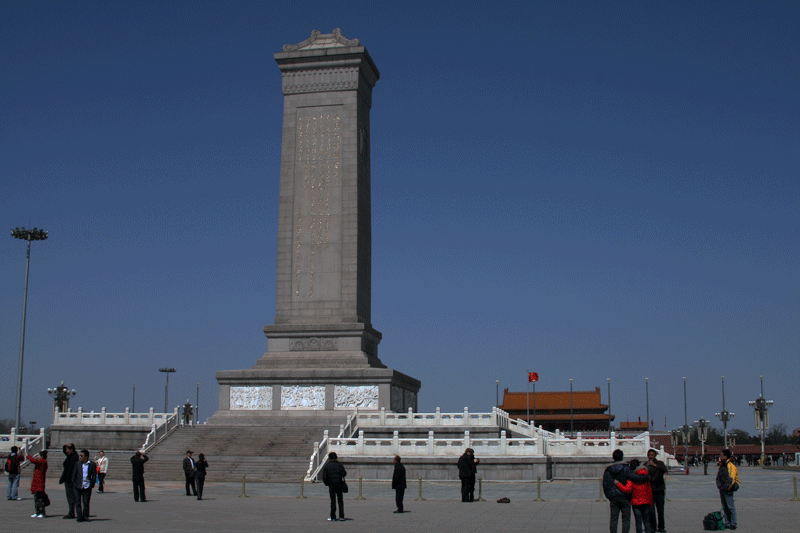
| Memorials to an earlier age. |
 |
| |
 |
| |
 |
| \ |
 |
| |
 |
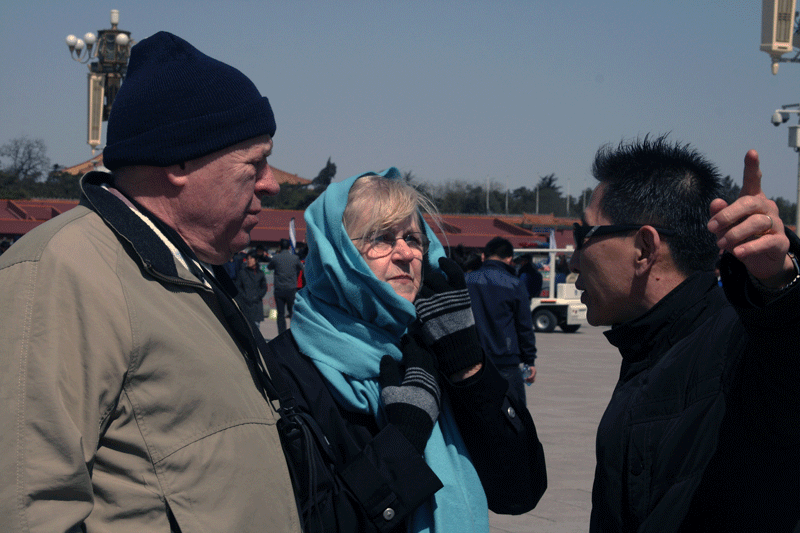
| Carl & Nancy get direction from Michael: "the little figure that looks
like a boy is the men's room..." |
 |
| |
 |
| |
 |
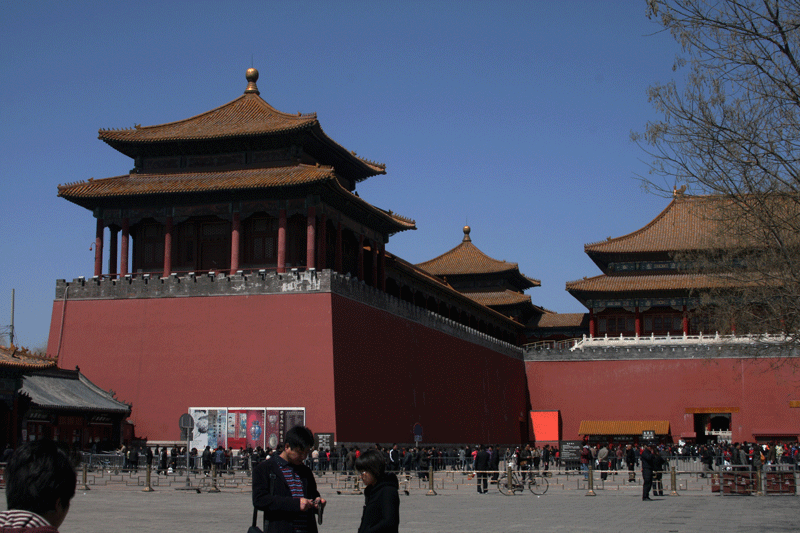
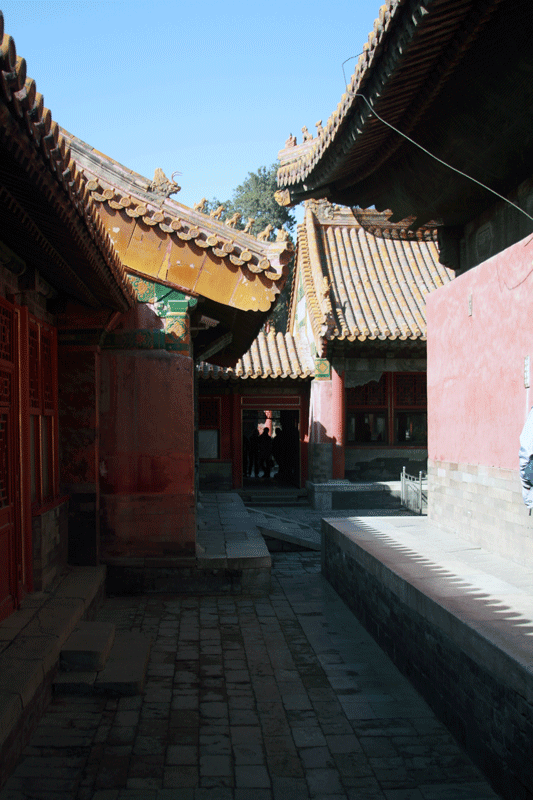
| The beginning of the long march... from one end of the Forbidden City
and Imperial Palace to the other. |
 |
| |
 |
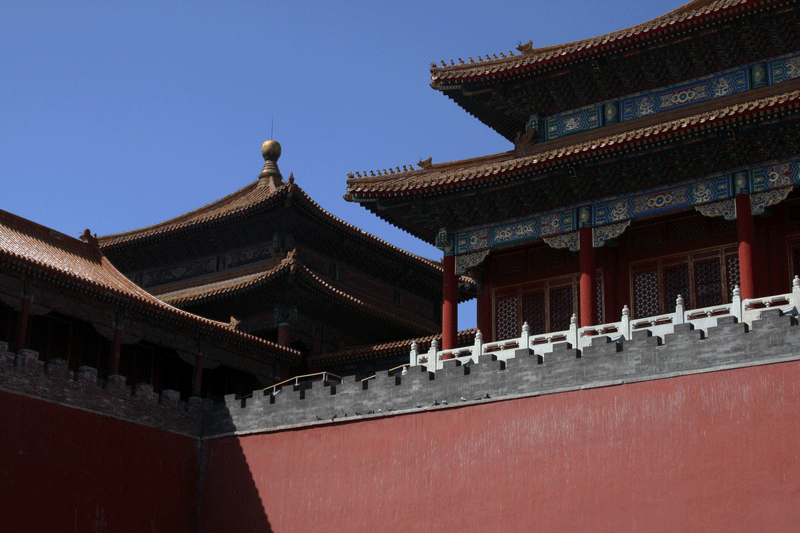
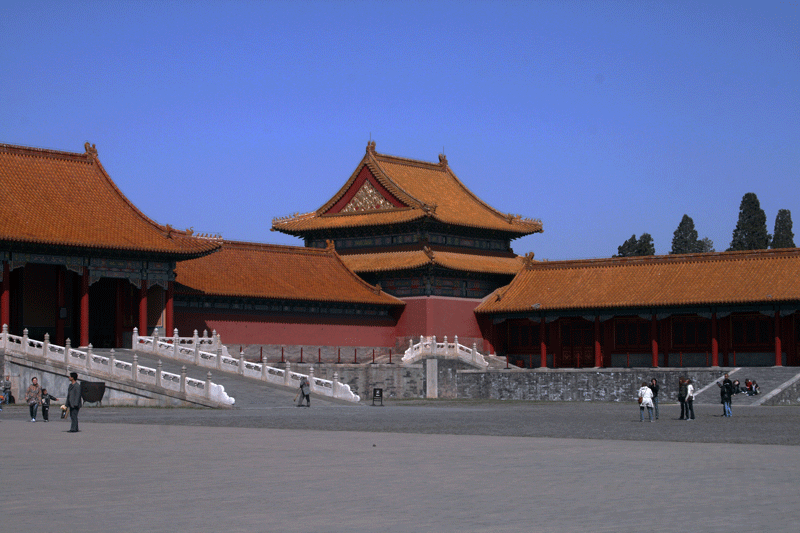
| For almost five hundred years, it served as the home of the Emperor and
his household, as well as the ceremonial and political centre of Chinese
government. |
 |
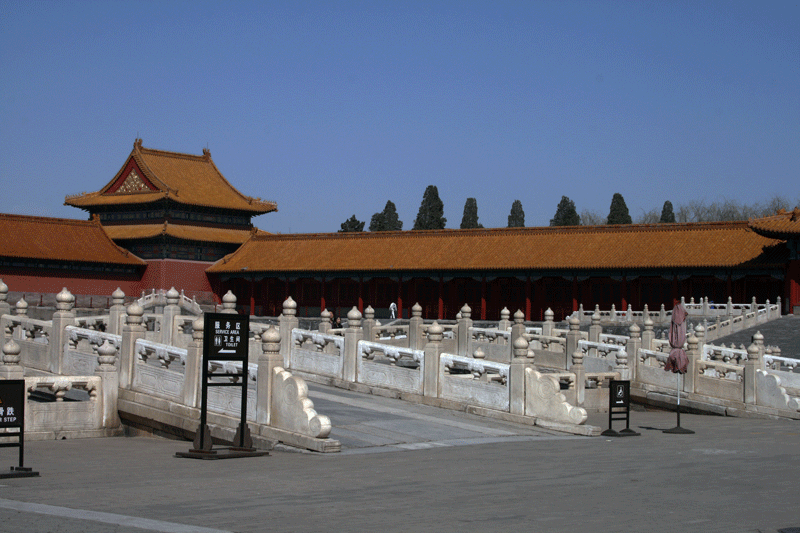
| Built in 1406 to 1420, the complex consists of 980 surviving buildings
with 8,707 bays of rooms... although the unoffical number is the historial
9,999 rooms. |
 |
| |
 |
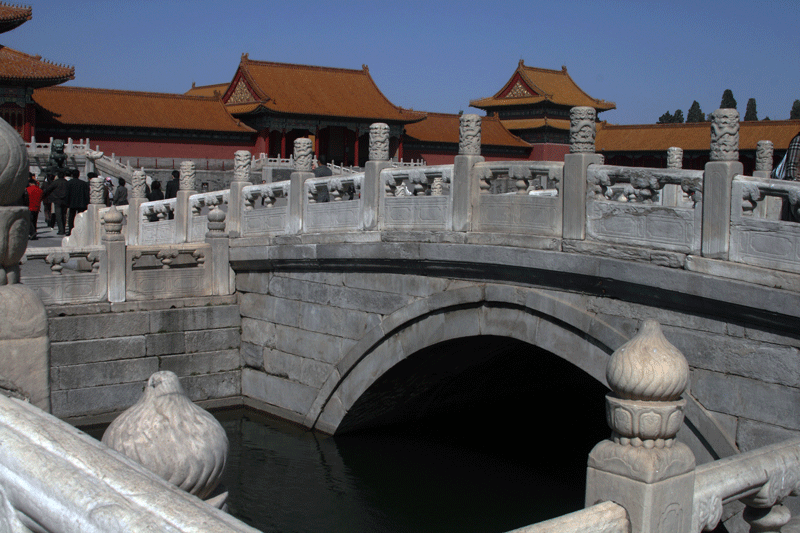
| Since 1925, the Forbidden City has been under the charge of the Palace
Museum, whose extensive collection of artwork and artifacts were built
upon the imperial collections of the Ming and Qing dynasties. |
 |
| The site of the Forbidden City was situated on the Imperial City during
the Mongol Yuan Dynasty. |
 |
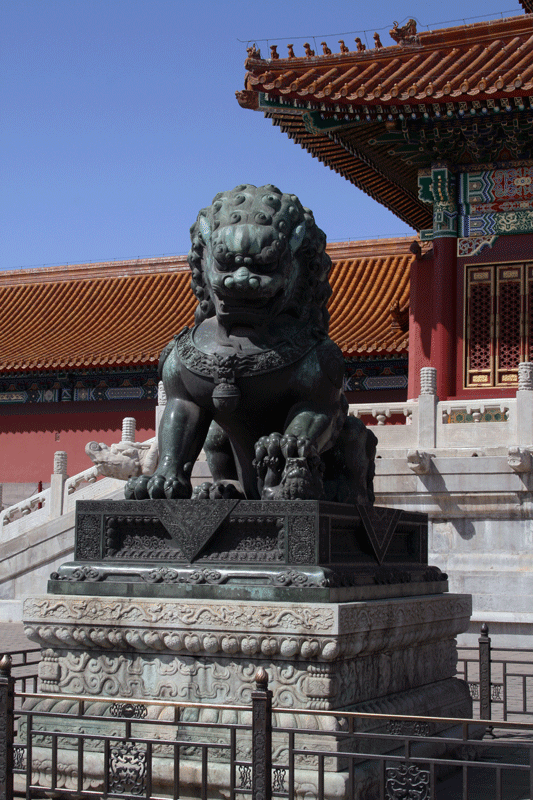
| From 1420 to 1644, the Forbidden City was the seat of the Ming Dynasty.
In April 1644, it was captured by rebel forces led by Li Zicheng, who proclaimed
himself emperor of the Shun Dynasty. |
 |
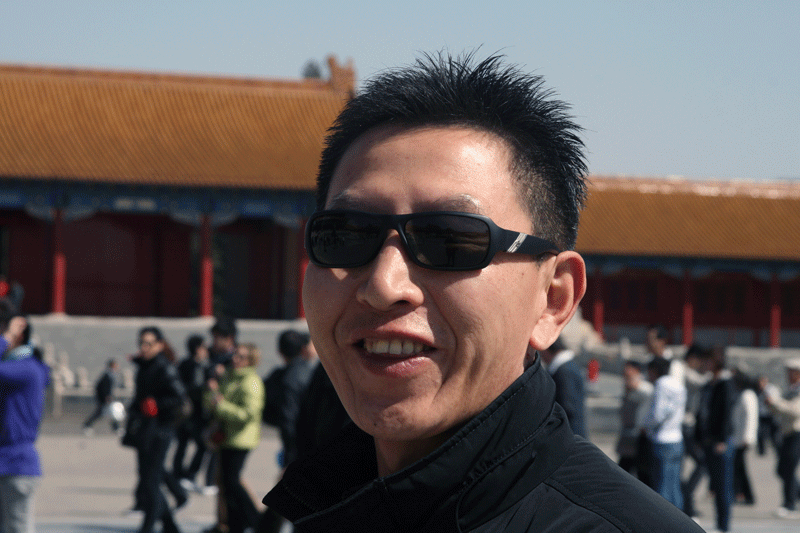
| Emperor Michael, ca. 2010 |
 |
| |
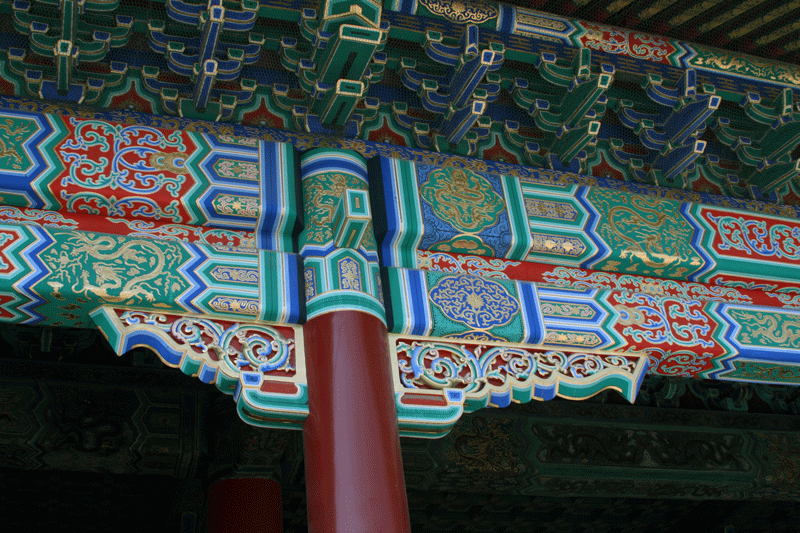 |
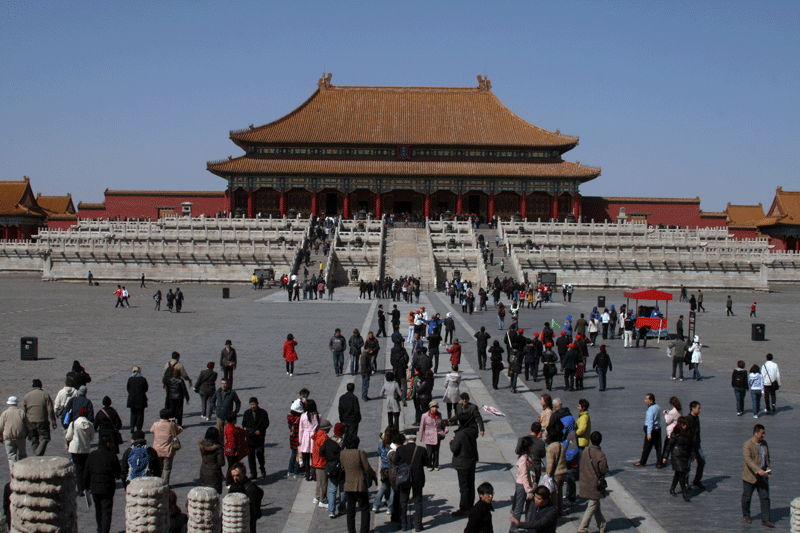
| After the establishment of the People's Republic of China in 1949, some
damage was done to the Forbidden City as the country was swept up in revolutionary
zeal. |
 |
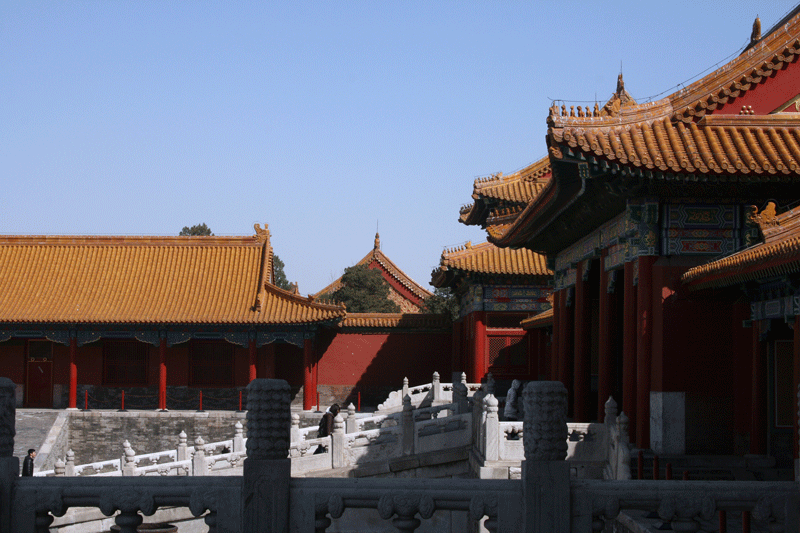
| During the Cultural Revolution, however, further destruction was prevented
when Premier Zhou Enlai sent an army battalion to guard the city. |
 |
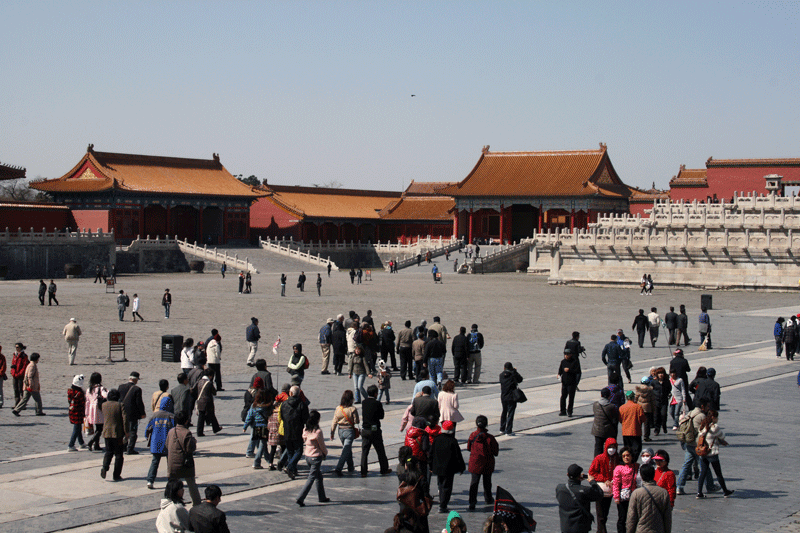
| The Forbidden City was declared a World Heritage Site in 1987 by UNESCO
as the "Imperial Palace of the Ming and Qing Dynasties." |
 |
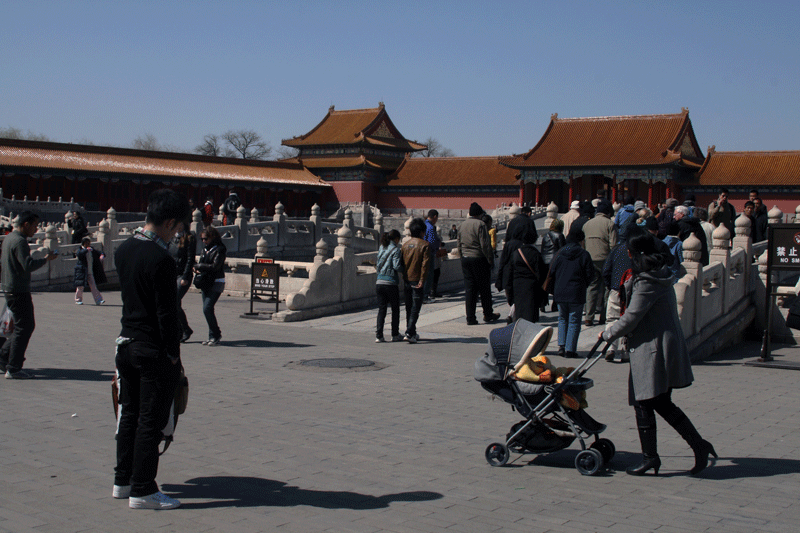
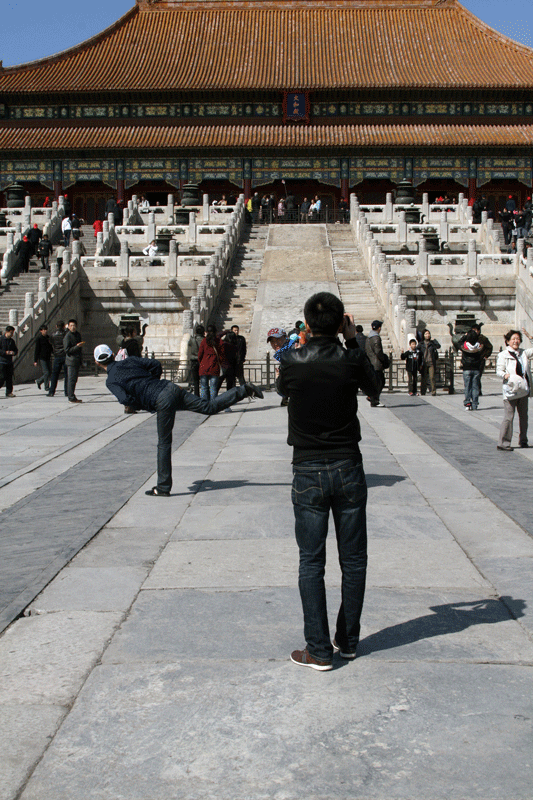
| The place hosts many foreign visitors... but the number of native Chinese
tourists far outnumbers these. |
 |
| |
 |
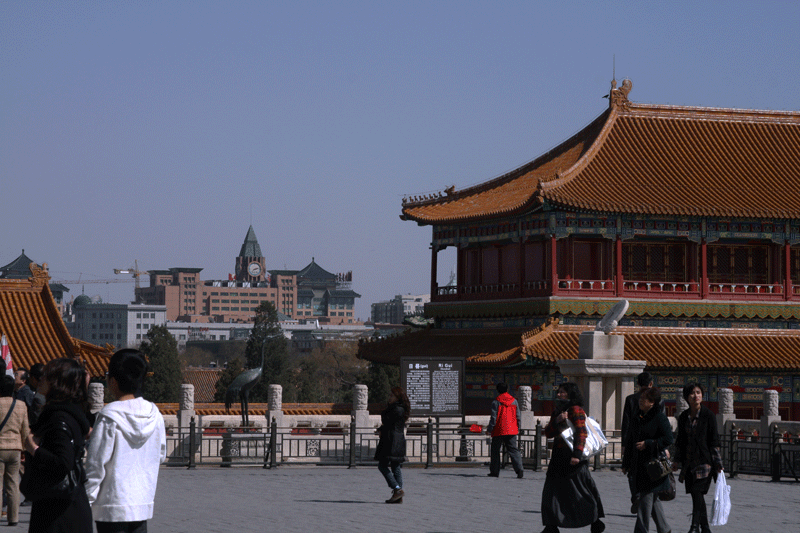
The Forbidden City is the world's largest surviving palace complex
and covers 72 ha. It is a rectangle 961 meters (3,153 ft) from north
to south and 753 meters (2,470 ft) from east to west. |
 |
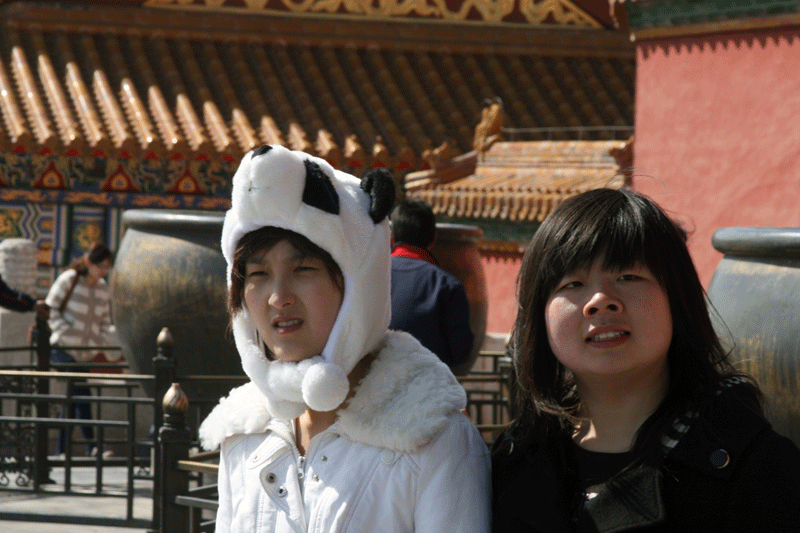
Panda
|
 |
| |
 |
| |
 |
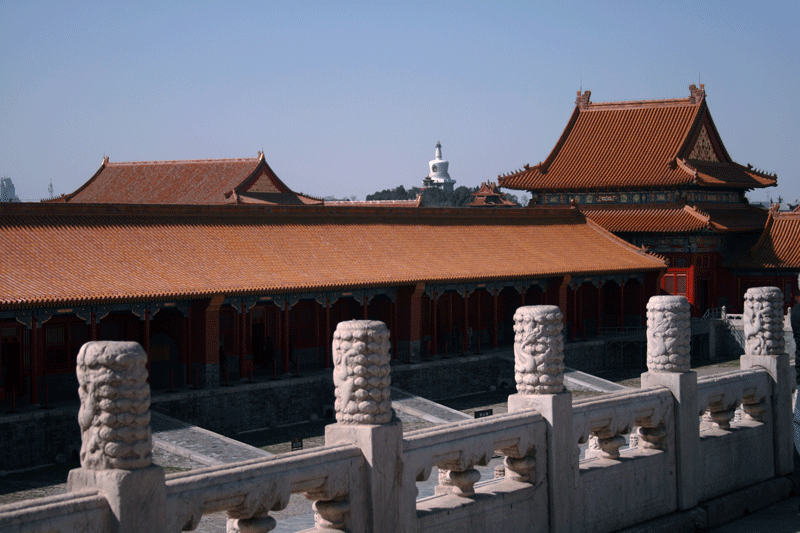
| The Forbidden City remains important in the civic scheme of Beijing.
The central north-south axis remains the central axis of Beijing. |
 |
| |
 |
| |
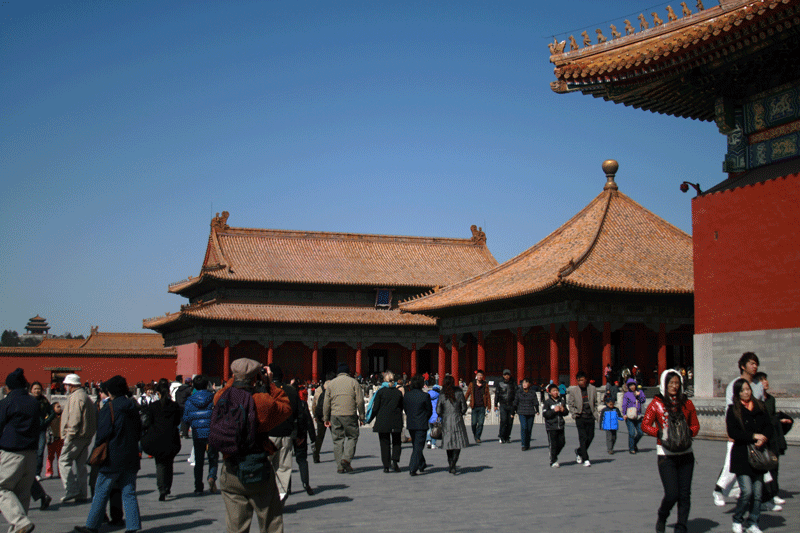 |
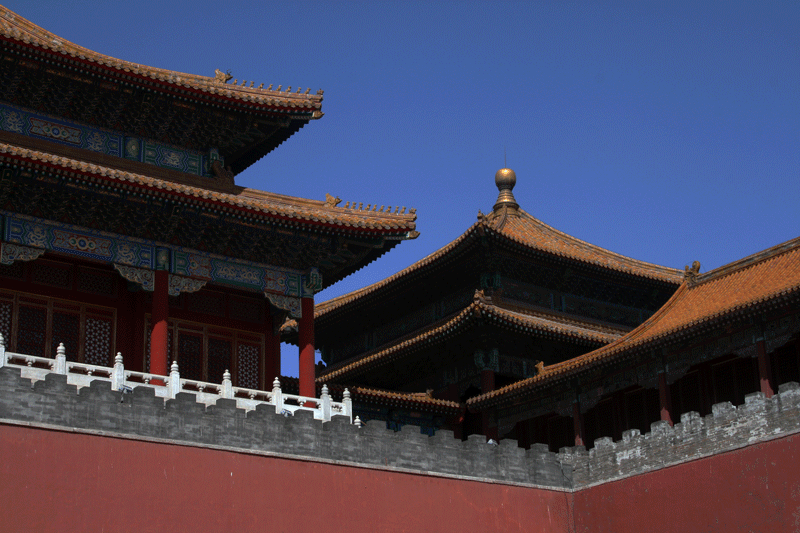
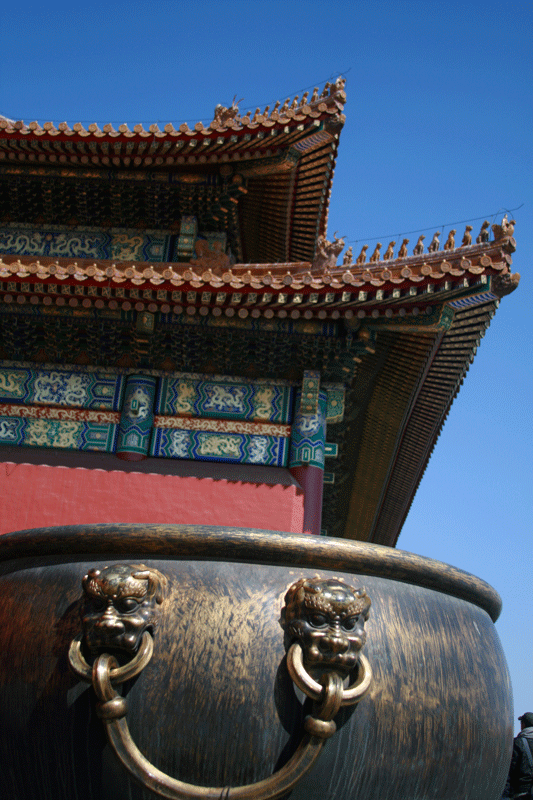
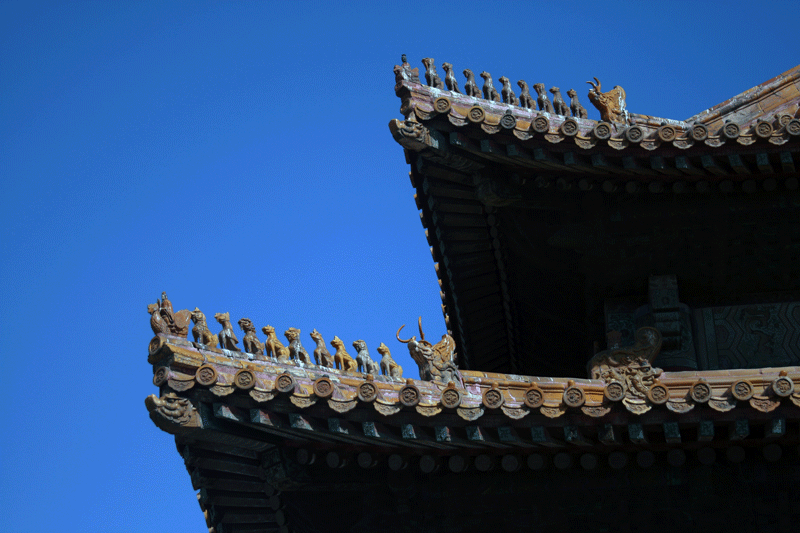
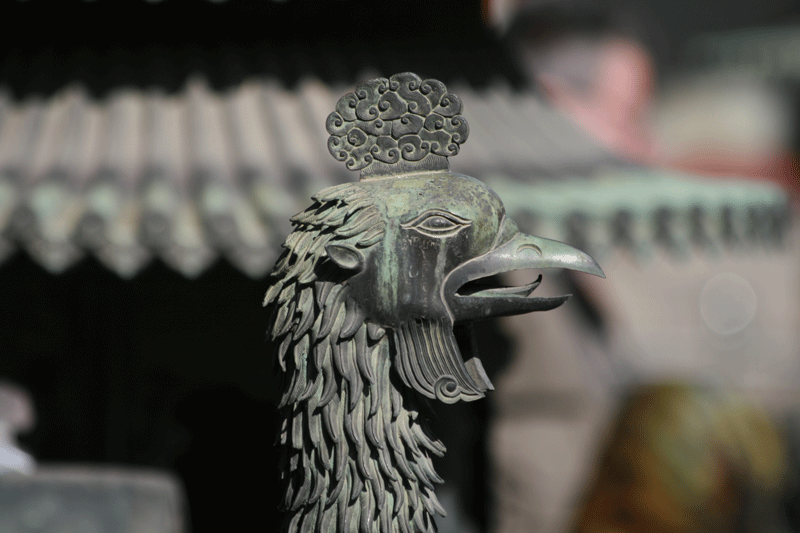
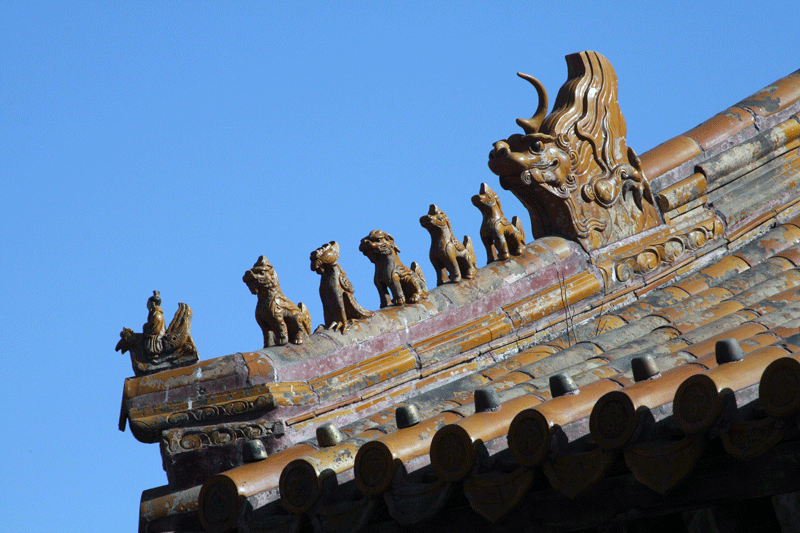
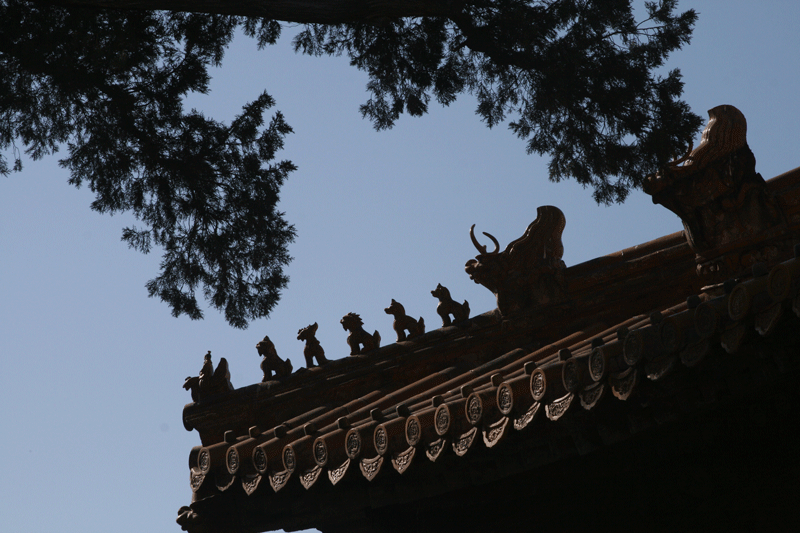
| The sloping ridges of building roofs are decorated with a line of statuettes
lead by a man riding a phoenix (personally, I think it is a chicken - the
phoenix represents the Empress and I am not too sure the Emperor would
want someone riding her) and followed by an imperial dragon. The number
of statuettes represents the status of the building — a minor building
might have 3 or 5. The Hall of Supreme Harmony has 10, the only building
in the country to be permitted this in Imperial times. As a result, its
10th statuette, called a "Hangshi",
or "ranked
tenth"
is also unique in the Forbidden City. |
 |
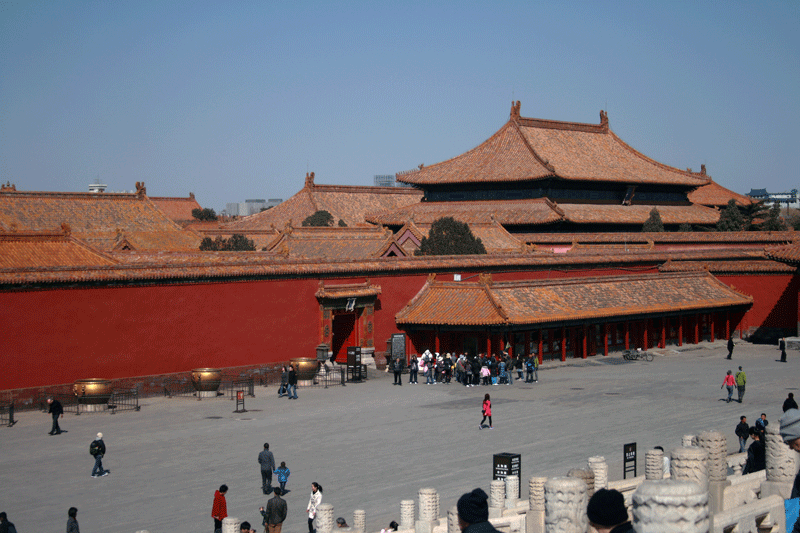
| This is the former location of the Starbucks that resided in the Forbidden
City for about 5 years. |
 |
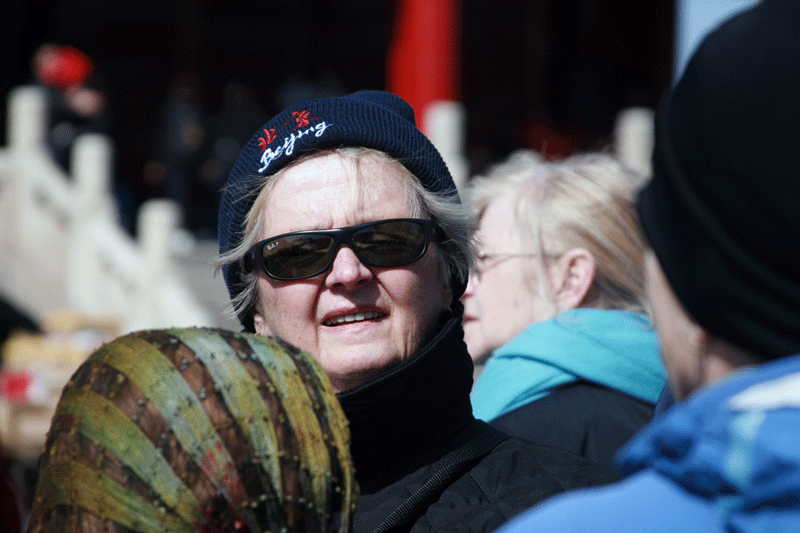
"Starbucks?"
"What were they thinking?" |
 |
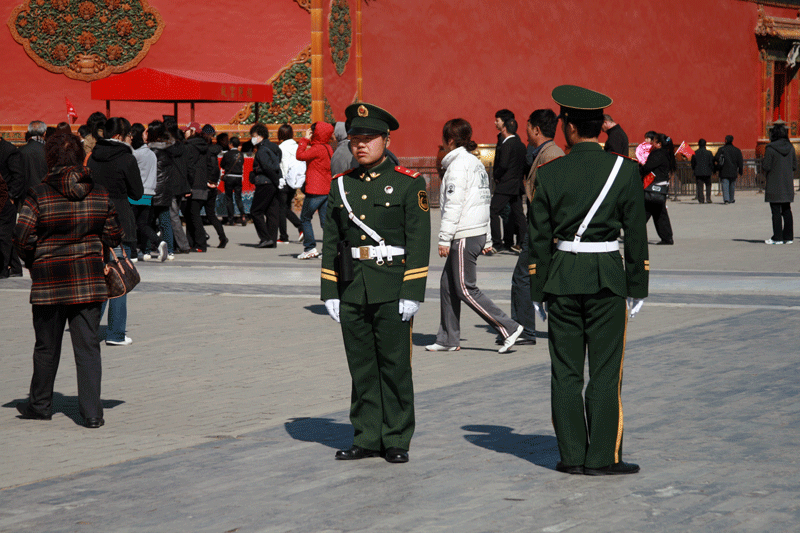
| "We shall serve no stinking Starbucks around here!" |
 |
| |
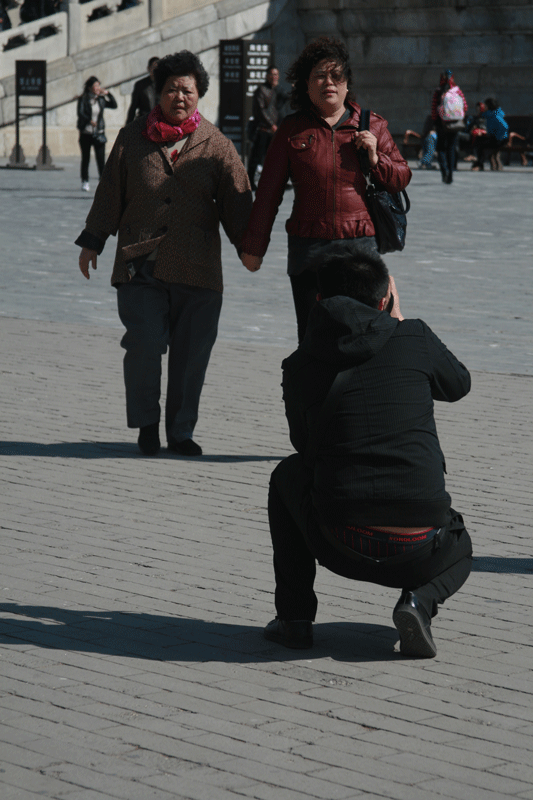 |
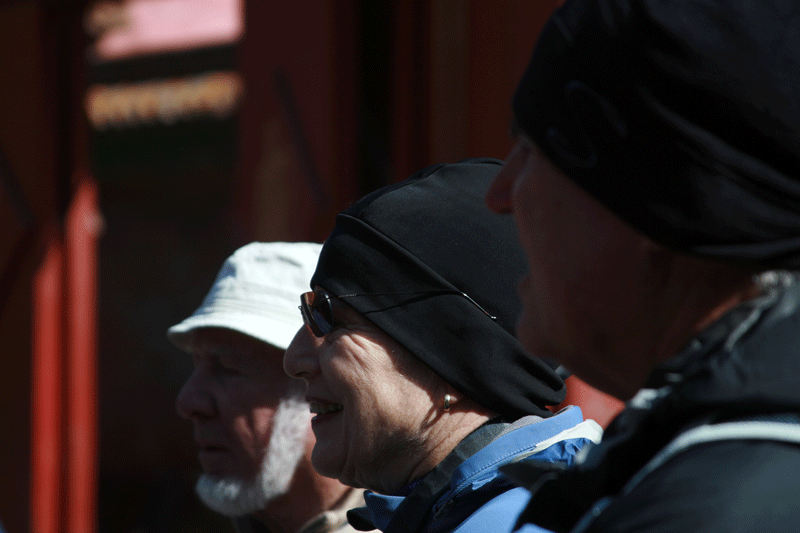
| All worn out and no caffeine in sight. |
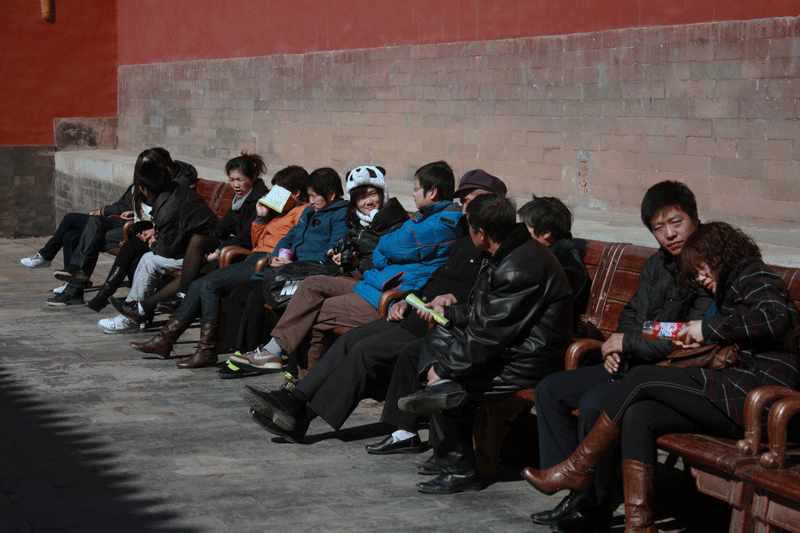 |
| Ohhh... I could use some bamboo. |
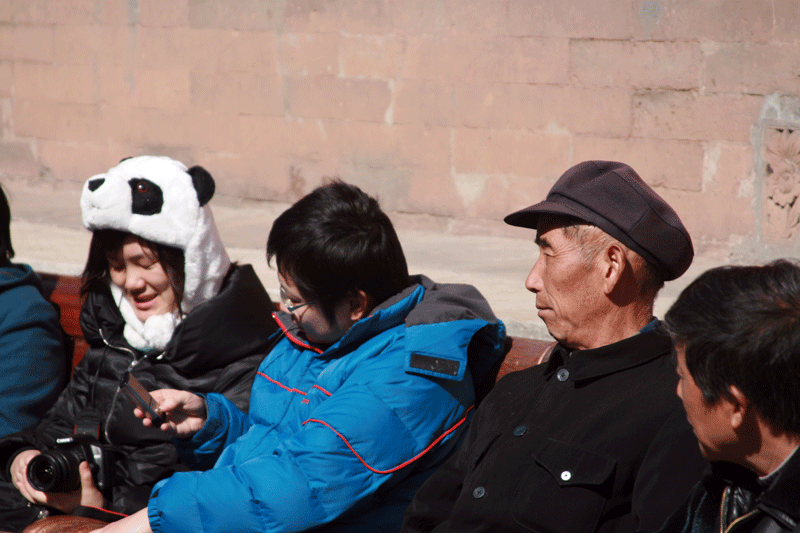 |
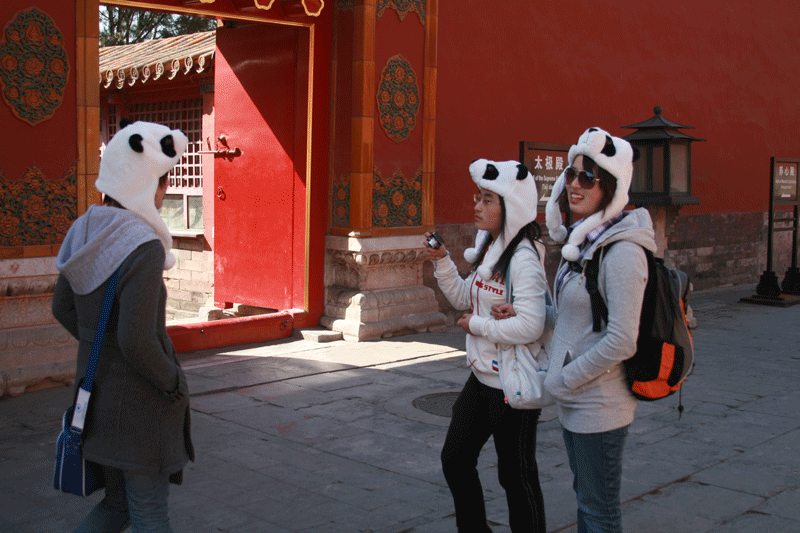
Us, too!
Us. too! |
 |
| |
 |
| |
 |
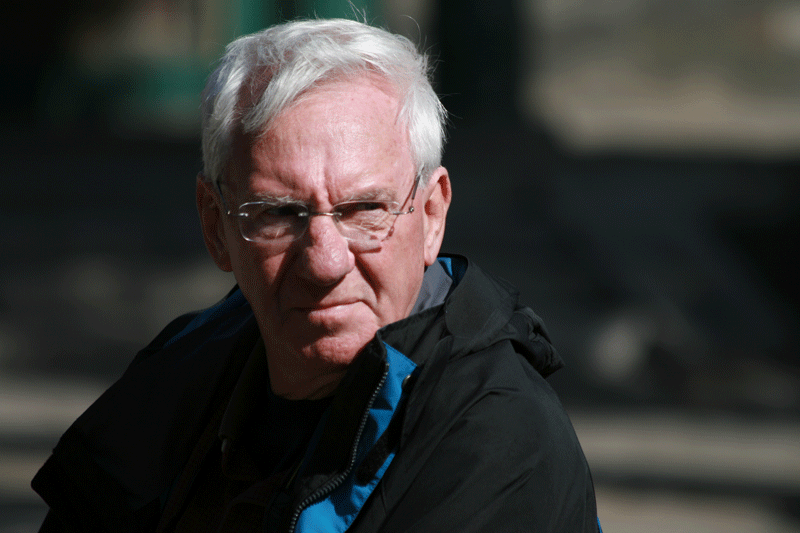
| Harrrrumph... crazy damned pandas. |
 |
| "um.. hello..." |
 |
| "Hello" |
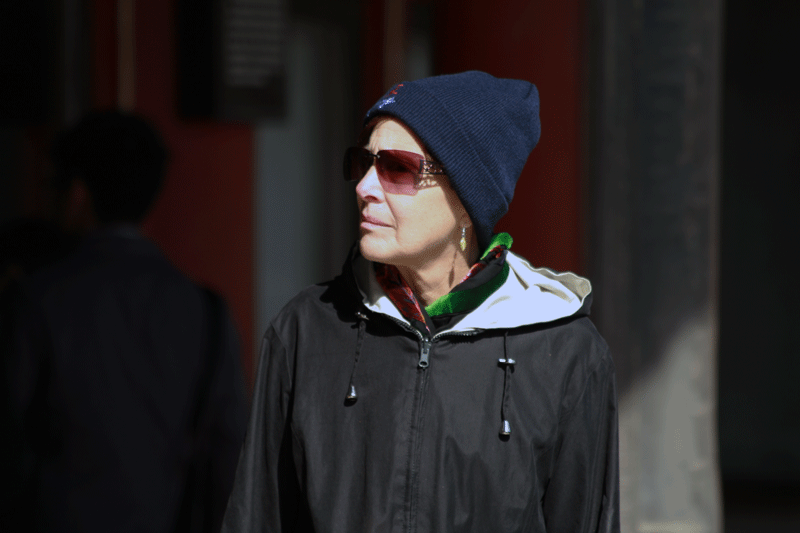 |
| Is she talking to that bird? |
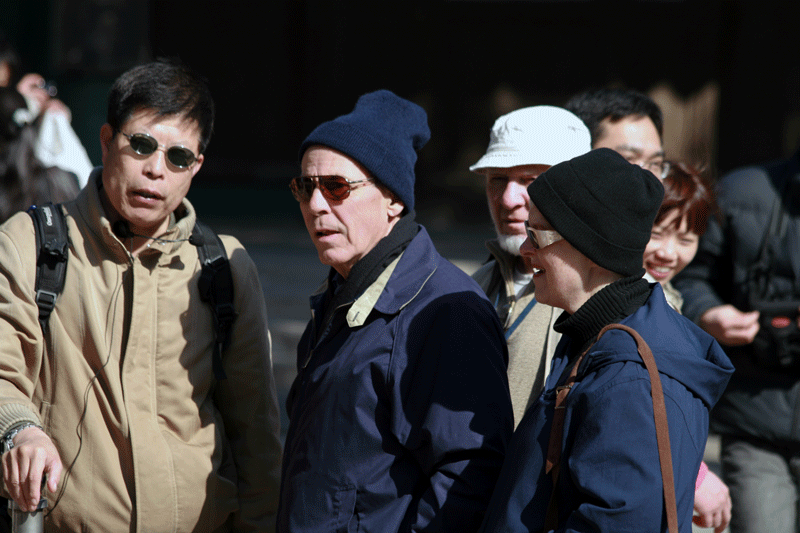 |
| Definitely. |
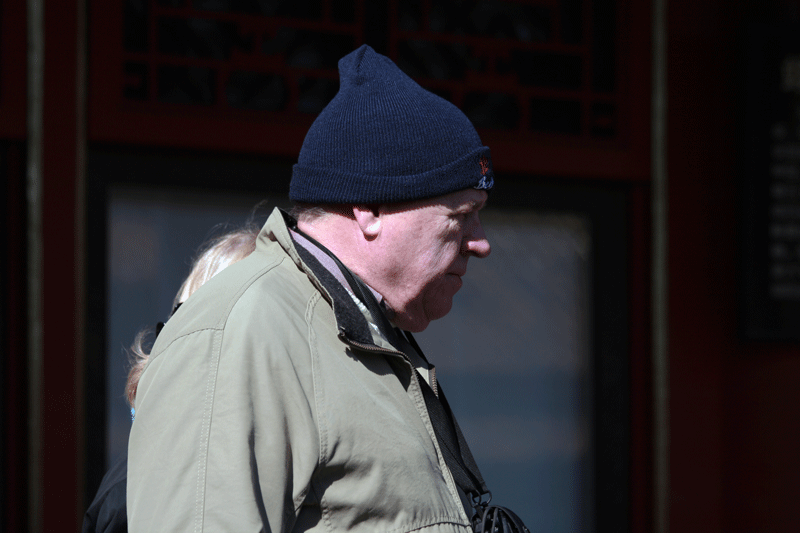 |
| The birdie says... tweet. |
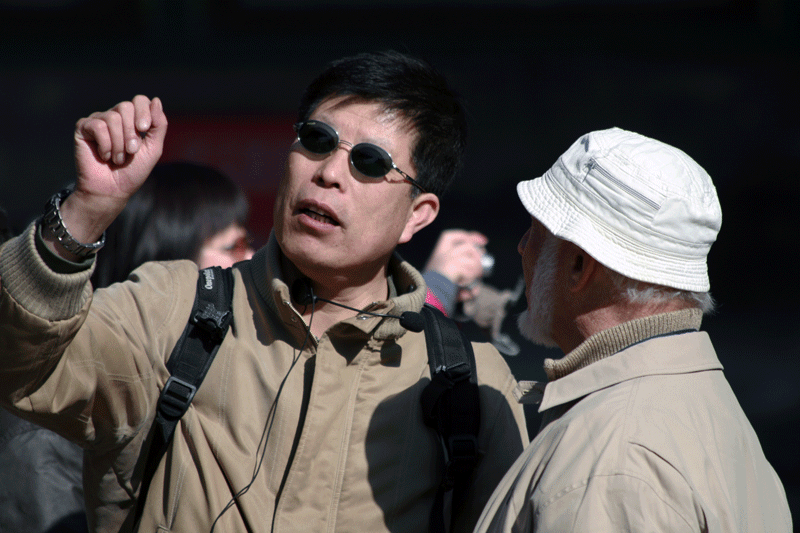 |
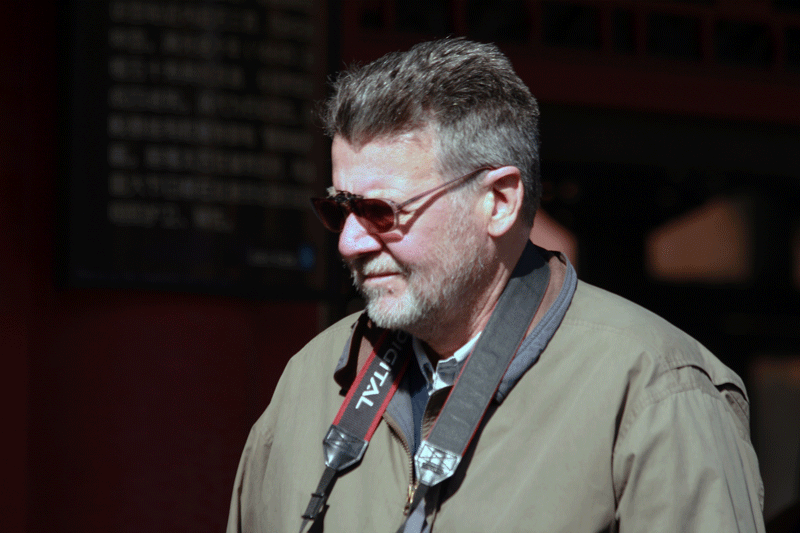
| I am so outta here. |
 |
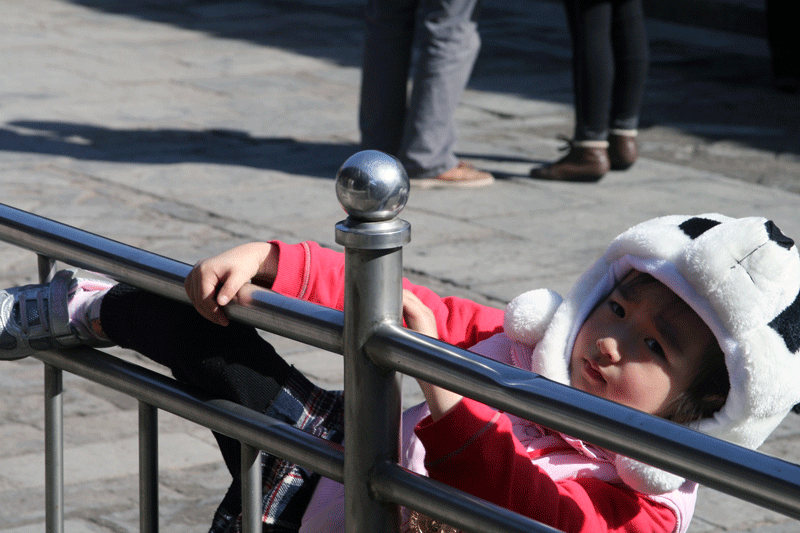
| Me, too. |
 |
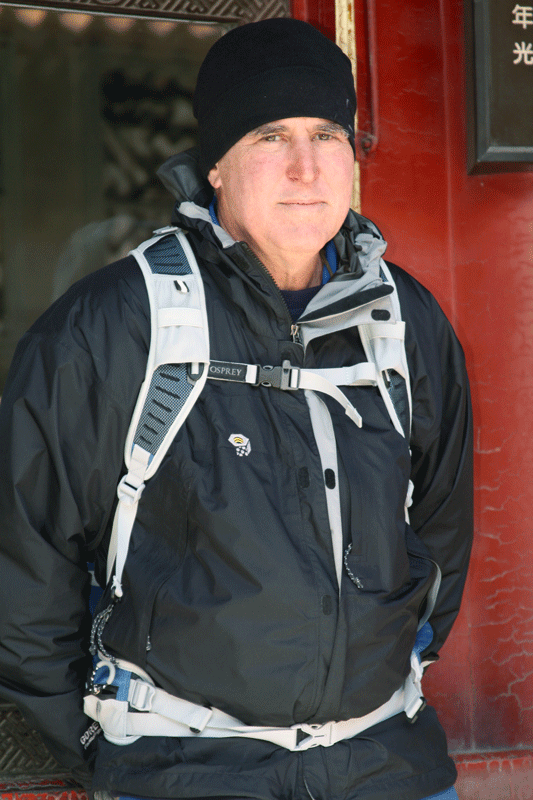
| Me, three. |
 |
| |
 |
| Dragon. |
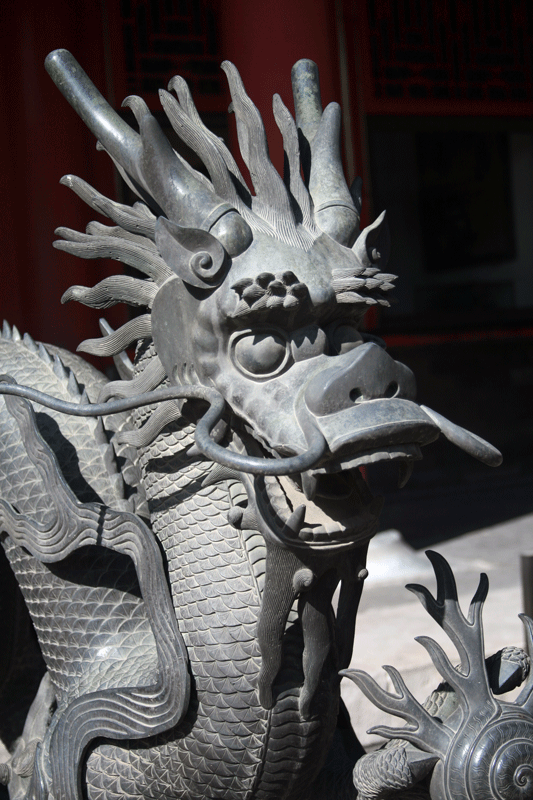 |
At the tail of the procession will be an imperial dragon, representing
the authority of the state.
At the head of the procession will be a man riding a Phoenix, one legend
suggests that this represents a minon of the emperor who grew greedy for
power and was hanged from the roof gable for treason. Another version of
this figurine is an immortal riding a fenghuang-bird or qilin. Yet another
intrepretation is that this is a person serving the emperor, being watched
by the following beasts.
In between will be mythical beasts, usually an odd number of them. The
mythical beasts are set to pounce upon the man and devour him should he
stray from performing his duties with faithfulness and rectitude.
|
 |
| |
 |
| The number of
beasts indicating the importance of the duties performed within the building
or within the courtyard protected by a gate. The maximum number of beasts
is nine, including evil-dispelling bull, courageous goat-bull, wind-
and storm-summoning fish, mythical lion, auspicious seahorse,
heavenly horse, lion, and chiwen (a son of dragon). |
 |
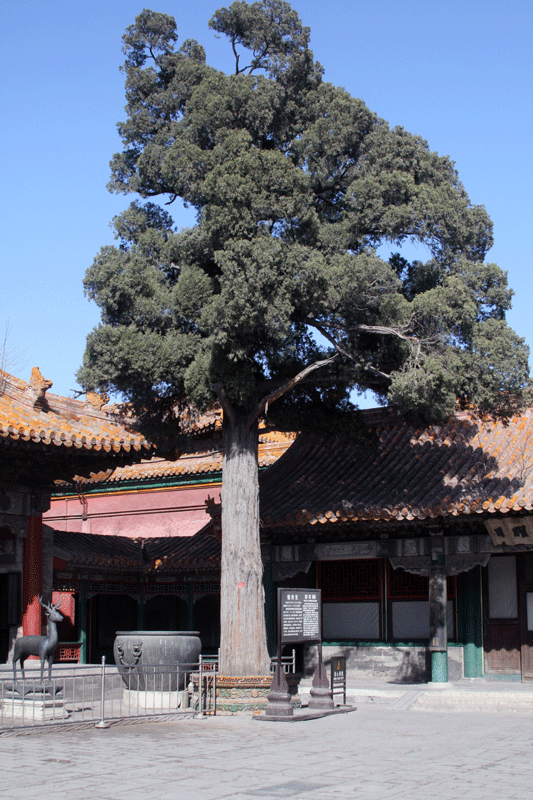
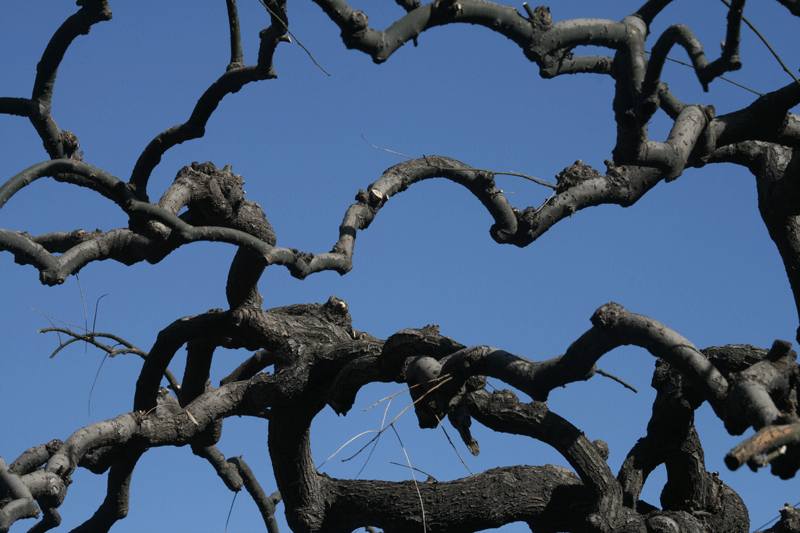
| Dragon Tree. |
 |
| |
 |
| |
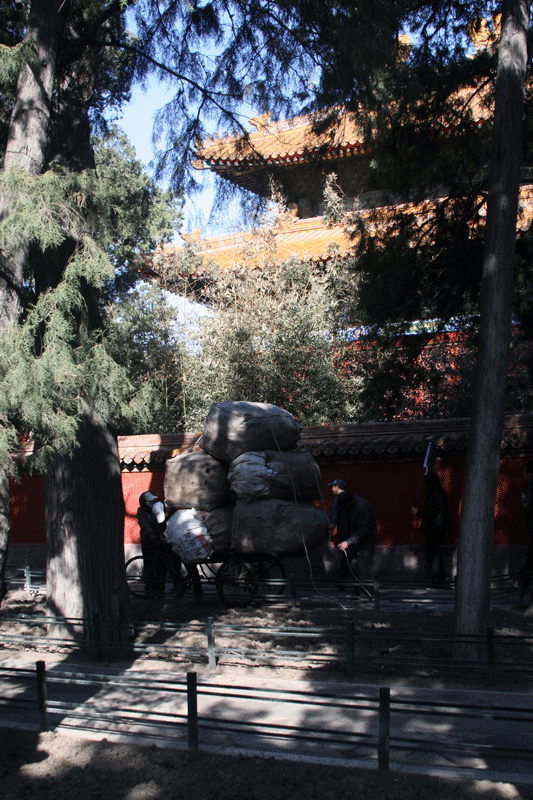 |
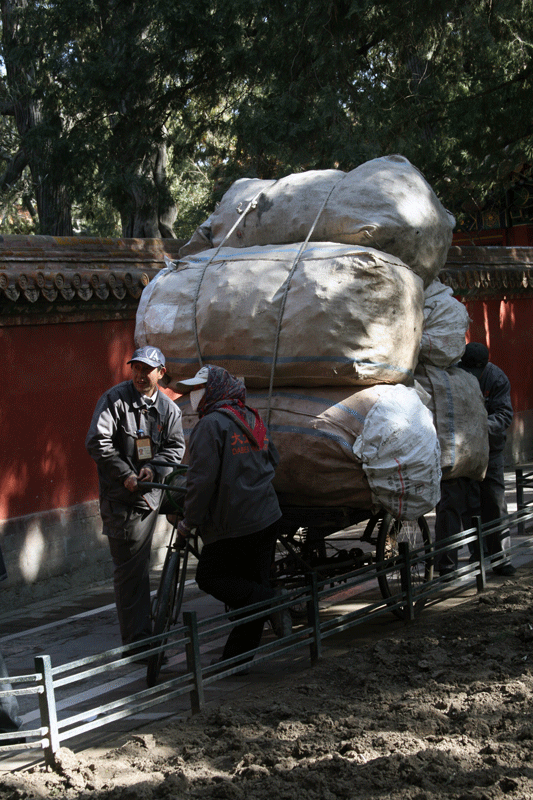
| Dragon Chow. |
 |
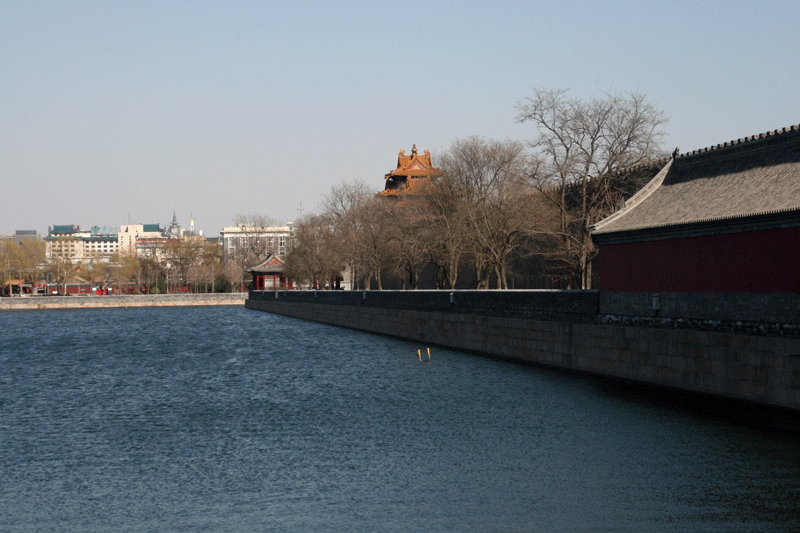
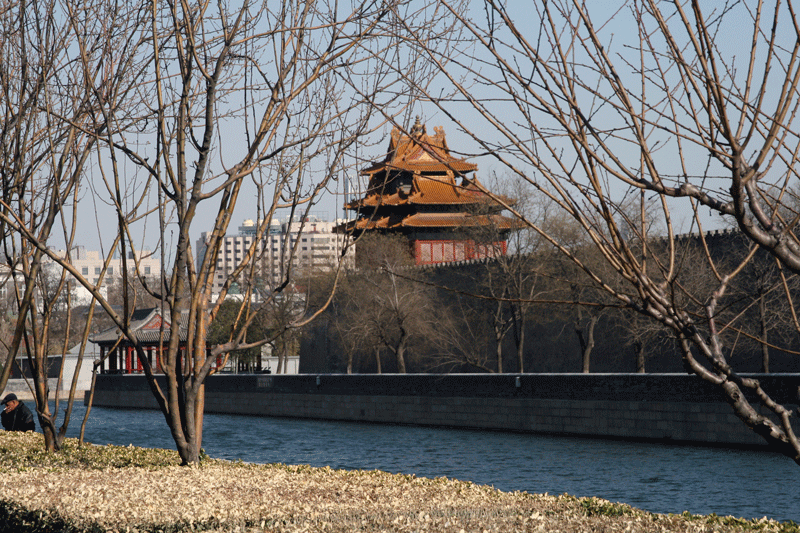
| The Forbidden City is surrounded by a 7.9 meters (26 ft) high city wall
and a six-meter deep, 52 meters (171 ft) wide moat. The walls are 8.62
meters (28.3 ft) wide at the base, tapering to 6.66 meters (21.9 ft) at
the top. |
 |
| |
 |